Natural Bug Repellent Herbs That Actually Work (And How to Use Them)
This post contains affiliate links. As an affiliate for Amazon Associate and Wish Garden Herbs, I earn from qualifying purchases at no additional cost to you.
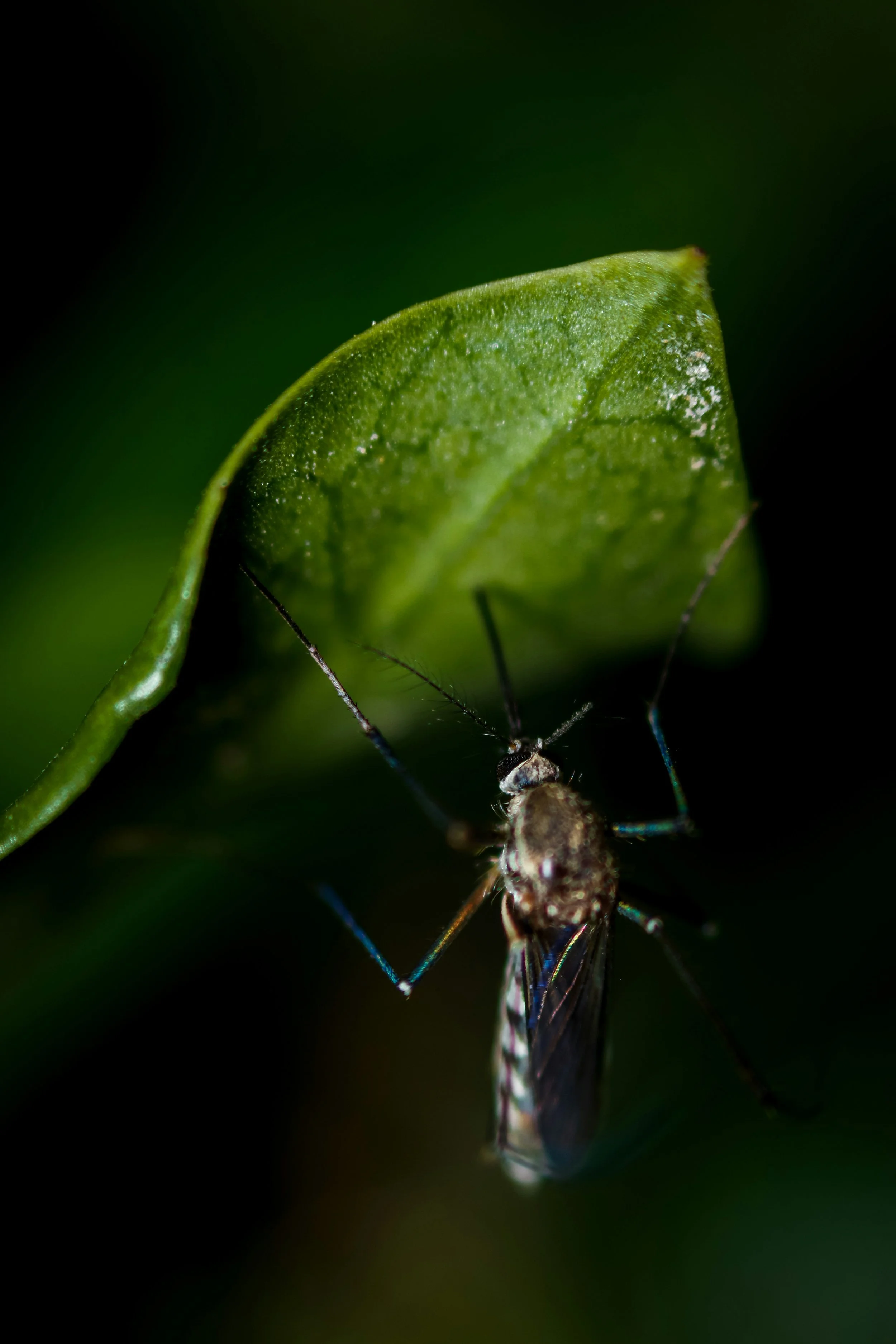
I spent years thinking the only real options were DEET or getting eaten alive. If you have ever stood on a summer porch slathering on something that smells like a chemistry lab and still gotten bitten through in, you know the feeling.
It was not until I started studying herbs seriously that I realized there was a whole category of plants with documented insect-repelling activity that I had been growing in pots and walking past without giving a second thought. Lavender. Citronella. Catnip. Lemon eucalyptus. Some of them have more clinical research behind them than I expected.
I want to be honest with you about what these plants can and cannot do, because this is an area where over-claiming is genuinely common and unhelpful. A few of these herbs are genuinely impressive. One of them is recognized by the CDC as an effective DEET alternative. Others work well for casual outdoor use but will not protect you in high-risk mosquito territory. Knowing the difference is how you make a real choice rather than a hopeful one.
This post covers what the evidence says about each herb, how to use them practically, and a complete DIY spray recipe you can make in five minutes from things you can order today.
The Evidence on Each Herb
LEMON EUCALYPTUS (Corymbia citriodora)
This is the standout in natural insect repellent research. Oil of lemon eucalyptus contains a compound called PMD (para-menthane-3,8-diol) that the CDC officially lists alongside DEET and picaridin as effective protection against mosquitoes carrying dengue, Zika, and West Nile virus. Multiple peer-reviewed field studies confirm effectiveness lasting 2 to 3 hours against mosquitoes.
One important distinction: OLE (oil of lemon eucalyptus) is a refined extract with higher PMD concentration, and it is different from basic lemon eucalyptus essential oil. If you are in a high-risk area, look for OLE specifically.
Buy here:lemon eucalyptus OLE repellent
CITRONELLA (Cymbopogon nardus)
Citronella is one of the most widely used natural insect repellents and the research support is reasonable, particularly for mosquito deterrence. It provides meaningful repellency but for shorter durations than DEET, which means reapplying every 30 to 60 minutes matters more with this one.
Buy here: citronella essential oil
LAVENDER (Lavandula angustifolia)
Lavender has documented repellent activity against mosquitoes and several other insects. It is the gentlest option and the one I add to every blend partly for its insect-repelling activity and partly because wearing it feels genuinely pleasant rather than medicinal.
Buy here:lavender essential oil
CATNIP (Nepeta cataria)
This is the one that surprises people most. Laboratory research published in the Journal of the American Mosquito Control Association found that nepetalactone, the active compound in catnip, was approximately ten times more effective than DEET at repelling mosquitoes in a laboratory setting. Field performance is more variable, but it earns its place in a natural repellent blend.
Buy here: catnip essential oil
PEPPERMINT (Mentha piperita)
Mint oils have demonstrated repellency against mosquitoes and several other insects. A good addition to any blend, easy to grow on a porch, and it adds a pleasant cooling sensation to the skin on hot days.
Buy here: peppermint essential oil

What You Need for All Four Recipes
Gather these before you start. Everything links directly below.
Recipe 1: Bug Repellent Spray
30ml witch hazel or distilled water
20 drops citronella essential oil
15 drops lemon eucalyptus oil (OLE product preferred)
10 drops lavender essential oil
10 drops peppermint essential oil
2 teaspoons fractionated coconut oil
Combine everything in a glass spray bottle. Shake well before each use. Apply to exposed skin and clothing, avoiding face and eyes. Reapply every 45 to 60 minutes during outdoor activity.
Recipe 2: Solid Bug Repellent Balm
2 tablespoons beeswax pellets
3 tablespoons coconut oil
2 tablespoons shea butter
30 drops citronella essential oil
20 drops lemon eucalyptus oil
15 drops lavender essential oil
10 drops catnip essential oil
Melt beeswax, coconut oil, and shea butter together in a double boiler. Remove from heat and cool slightly before adding essential oils. Pour into small tins. Apply to pulse points and exposed skin. Reapply every hour outdoors.
Recipe 3: Kids and Sensitive Skin Spray
This version uses lower essential oil concentrations appropriate for children over 3 years. Do not use essential oils on children under 3.
60ml witch hazel
5 drops lavender essential oil
5 drops citronella essential oil
3 drops peppermint essential oil
1 tablespoon fractionated coconut oil
Combine in a glass spray bottle. Shake before each use. Apply to clothing and exposed skin, avoiding face and hands for young children. Reapply every 30 to 45 minutes.
Recipe 4: Plant Infusion Spray (No Essential Oils)
For those who prefer to avoid essential oils entirely, this version uses a direct herb infusion.
1 cup fresh or dried catnip
1 cup fresh or dried lavender flowers
Steep herbs in 2 cups of just-boiled water for 20 minutes, covered. Strain and cool completely. Transfer to a spray bottle. Store in the refrigerator and use within one week. This is gentler and less concentrated than the essential oil versions but provides meaningful deterrence for casual outdoor use.
Honest Limitations
Natural bug repellents work. They also work less consistently and for shorter durations than DEET in most field conditions. For an evening on the porch, a walk through a low-risk park, or a backyard cookout, a well-made natural repellent is a genuinely good choice. For hiking in tick-heavy areas or traveling to regions with mosquito-borne illness, DEET or OLE-based products give you more reliable protection.
That is not a reason to dismiss natural options. It is a reason to use them with accurate expectations and choose the right tool for the situation.
The information in this post is educational and does not constitute medical advice. Consult your healthcare provider if you have skin sensitivities or health conditions before using essential oils topically.
