Aloe Vera: The Summer Plant That Belongs on Every Windowsill
This post contains affiliate links. As an affiliate for Amazon Associate, I earn from qualifying purchases at no additional cost to you.
Summer has a way of revealing which plants are worth having close at hand. Aloe vera is always one of them.
I have grown aloe on my windowsill for years. First because it looked appealing and required almost no attention, then because I started actually understanding what it was capable of. The clinical research on aloe vera is more robust than most people realize, and its applications go well beyond the sunburn gel most people associate it with.
This is a complete herb profile: evidence, practical uses, how to grow and harvest your own, and the contraindications most sources skip.

What is Aloe Vera?
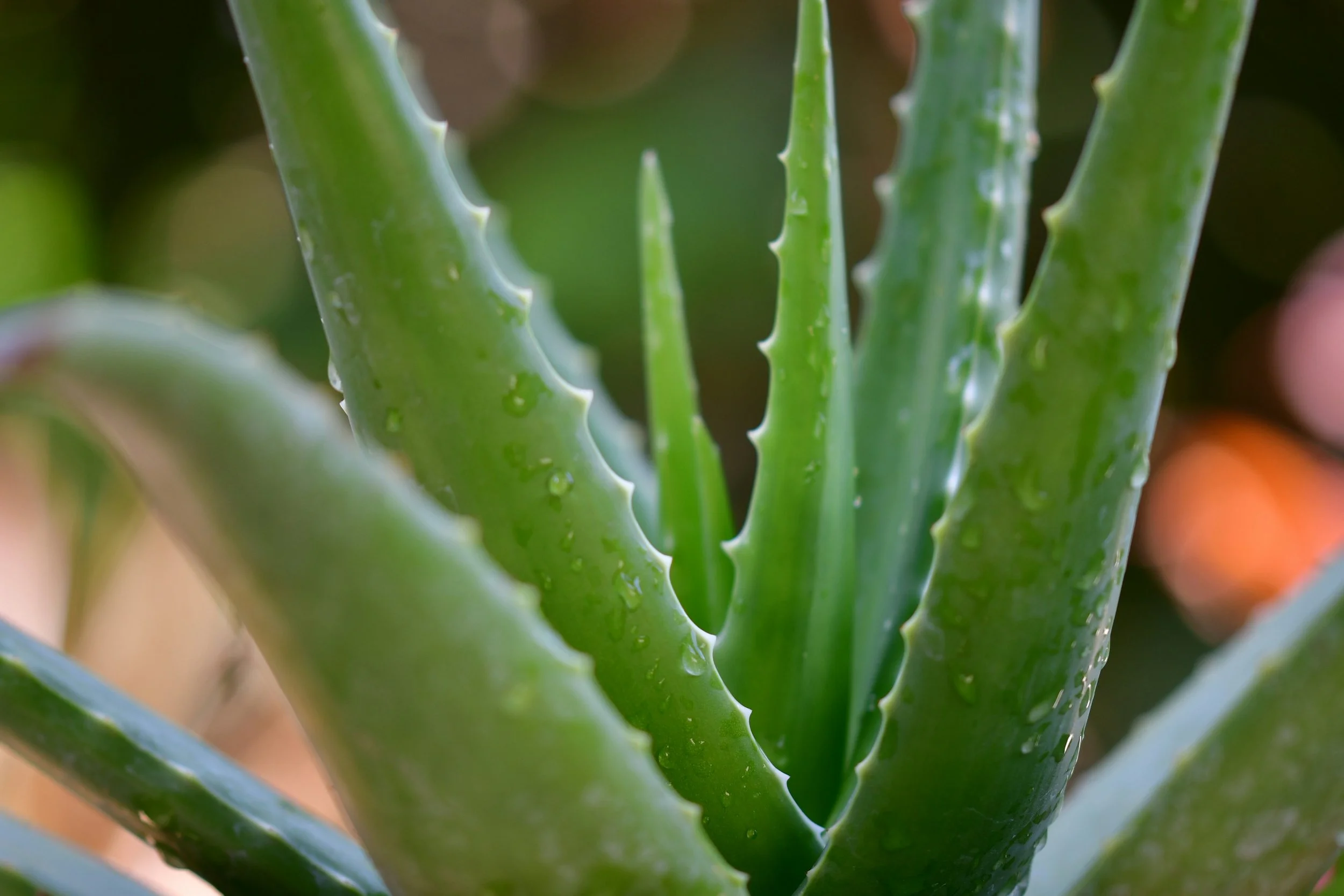
Aloe vera (Aloe barbadensis miller) is a succulent plant in the Asphodelaceae family, native to the Arabian Peninsula but now cultivated globally. It has been used medicinally for at least 6,000 years across ancient Egypt, Greece, India, and China.
The gel inside the thick, fleshy leaves contains acemannan, a polysaccharide with
documented wound-healing, anti-inflammatory, and immunomodulating properties. The clear gel is the part used for most topical and internal applications.
A word of caution on sourcing: beneath the green outer leaf and above the clear gel sits a yellow latex layer called aloin. This latex is a powerful laxative and skin irritant and should not be consumed or applied to broken skin. When harvesting your own aloe, always discard this yellow layer before using the gel.
The Evidence-Based Benefits of Aloe Vera
Sunburn and Burn Treatment
This is aloe vera's most researched application and the evidence is genuinely strong. A peer-reviewed study published in the Journal of the Pakistan Medical Association found that aloe vera gel treated superficial burns as effectively as prescription nitrofurazone ointment, with fewer side effects and better skin tolerance. Aloe contains compounds including anthraquinones and polysaccharides that reduce inflammation, promote collagen synthesis, and accelerate skin cell turnover.
For burns and sunburn: apply fresh gel directly from the leaf, or a pure store-bought aloe gel, to clean skin. Reapply every few hours. Chilled gel provides additional cooling relief.
Wound Healing and Skin Repair
Aloe vera stimulates fibroblast activity — the cells responsible for collagen and elastin production in healing skin. This makes it useful for minor cuts, abrasions, and irritated skin beyond sunburn. Research also supports its use in reducing post-procedural skin healing time.
Anti-Inflammatory Skin Conditions
Topical aloe has demonstrated benefits for eczema, psoriasis, and seborrheic dermatitis in clinical studies, though the evidence is stronger for some conditions than others. It reduces itching, redness, and scaling in a meaningful portion of patients who use it consistently.
Internal Use for Digestive Heatlh
Aloe vera juice (made from the inner gel only, with aloin removed) has been studied for irritable bowel syndrome, acid reflux, and general digestive comfort. A small but rigorous study found that aloe vera syrup reduced the symptoms of gastroesophageal reflux disease as effectively as two common acid reflux medications. Note that commercial aloe vera juices vary considerably in quality — look for products that specifically state "decolorized" or "purified" to ensure the aloin has been removed.
Blood Sugar Support
Several studies have found that oral aloe vera preparations may help reduce fasting blood glucose and HbA1c in people with type 2 diabetes. The mechanisms are not fully understood but the evidence is consistent enough to warrant attention. This is not a replacement for medical management of diabetes but may be a useful complementary support.
Oral Heatlh
Aloe vera gel used as a mouthwash has been compared to chlorhexidine (a standard prescription mouthwash) for reducing gingivitis and plaque, with some studies finding it comparable in effectiveness with fewer side effects. Aloe vera toothgels are also a reasonable non-toxic alternative to conventional toothpastes.
How to Use Aloe Vera
From the plant (best for topical use): Snap or cut a leaf close to the base. Stand it upright for a few minutes to allow the yellow latex to drain. Then slice open the leaf lengthwise and scoop out the clear gel with a spoon. Apply directly to skin. Store leftover gel in the refrigerator for up to a week.
As a purchased gel (topical): Look for products that list aloe vera as the first ingredient (not just an additive), are free from alcohol and artificial fragrance, and have minimal additional ingredients. Store-bought gel kept in the refrigerator provides added cooling relief.
As a juice (internal): Look specifically for inner fillet aloe vera juice, decolorized and purified to remove aloin. Start with a small amount (around 2 ounces) and increase gradually. Do not consume the whole leaf juice, outer leaf juice, or any product containing aloin internally.
Frozen aloe ice cubes: One of my favorite summer preparations: blend fresh aloe gel, pour into ice cube trays, freeze. Rub a frozen cube directly over sunburned or heat-irritated skin for immediate, long-lasting relief. You can add a few drops of pure lavender essential oil to the blend before freezing for enhanced anti-inflammatory effect.
As a mouthwash: Dilute pure aloe vera gel in water (roughly equal parts) and use as a mouthwash for 30 to 60 seconds, morning and evening.
DIY Summer Aloe Recipes
Summer is when aloe vera earns its place on your windowsill. Here are four DIY preparations I make every year, with full instructions and everything you need linked below. If you try any of these let me know in the comments below.
Recipe 1: Frozen Aloe Sunburn Relief Cubes
These are the single most effective sunburn remedy I have ever used. The combination of aloe gel and lavender in a frozen cube provides sustained cooling relief that a gel straight from a tube simply cannot replicate.
WHAT YOU NEED:
fresh aloe vera leaf or pure aloe vera gel
silicone ice cube tray
INSTRUCTIONS:
Step 1: If using a fresh leaf, snap it from the base of the plant and stand upright for 2 minutes to let the yellow latex drain. Slice open lengthwise and scoop out the clear gel with a spoon.
Step 2: Blend the gel until smooth using a blender or fork.
Step 3: Add 5 drops of pure lavender essential oil per cup of gel and stir to incorporate.
Step 4: Pour into a silicone ice cube tray and freeze for at least 4 hours.
Step 5: Transfer frozen cubes to a sealed freezer bag. Keeps up to 3 months.
TO USE: Run a frozen cube gently over sunburned, irritated, or heat-stressed skin. The cube melts slowly against warm skin providing sustained cooling relief. Reapply every few hours as needed.
WHY IT WORKS: Aloe gel reduces inflammation and supports skin repair. Lavender essential oil has documented analgesic and anti-inflammatory properties. Freezing extends the cooling effect significantly beyond what a room temperature gel achieves.
Recipe 2: Aloe and Green Tea After-Sun Face Mist
This is what I spray on my face and shoulders the moment I come inside from a day in the sun. It addresses UV-induced oxidative stress, inflammation, and dehydration simultaneously.
WHAT YOU NEED:
INSTRUCTIONS:
Step 1: Brew 2 green tea bags or 1 tablespoon of loose green tea in 1 cup of cool water for 10 minutes. Do not use boiling water as it degrades the EGCG content. Strain and allow to cool completely.
Step 2: Combine in a glass spray bottle: half cup cooled green tea, quarter cup pure aloe vera gel, quarter cup pure rose water.
Step 3: Shake well. Store in the refrigerator.
Step 4: Spray liberally on clean skin immediately after sun exposure. Use within 5 days.
WHY IT WORKS: EGCG in green tea is one of the most potent topical antioxidants available and directly counters UV-induced oxidative damage. Aloe reduces inflammation and supports repair. Rose water soothes and hydrates. All three together address the full picture of UV skin stress.
Recipe 3: Overnight Aloe Hair Mask for Sun-Damaged Hair
Sun, salt water, and chlorine do measurable damage to hair protein structure. This mask uses aloe vera's proteolytic enzymes to repair dead skin cells on the scalp and restore moisture to sun-damaged strands.
WHAT YOU NEED:
INSTRUCTIONS:
Step 1: Combine 4 tablespoons aloe vera gel, 2 tablespoons fractionated coconut oil, and 5 drops of vitamin E oil in a small bowl. Mix well.
Step 2: Apply generously to dry hair from roots to ends, focusing on the ends where damage is most visible.
Step 3: Wrap hair in a shower cap or warm towel.
Step 4: Leave on for at least 30 minutes, or overnight for deeper conditioning.
Step 5: Rinse thoroughly with cool water and shampoo as normal.
Use once a week throughout summer for best results.
Recipe 4: Soothing Aloe After-Shave Balm
This works equally well as an after-shave for legs or face. Aloe reduces razor irritation, redness, and ingrown hair inflammation significantly better than most commercial after-shave products.
WHAT YOU NEED:
INSTRUCTIONS:
Step 1: Combine in a small glass bottle: 3 tablespoons aloe vera gel, 1 tablespoon alcohol-free witch hazel, 3 drops lavender essential oil, 2 drops tea tree essential oil.
Step 2: Shake well before each use.
Step 3: Apply a small amount to skin immediately after shaving while still slightly damp.
Step 4: Store at room temperature or in the refrigerator for extra soothing effect. Use within 2 weeks.
WHY IT WORKS: Aloe reduces inflammation. Witch hazel tightens pores and reduces redness. Lavender and tea tree both have antimicrobial properties that reduce the bacteria responsible for post-shave breakouts and ingrown hairs.
Sourcing Aloe Vera
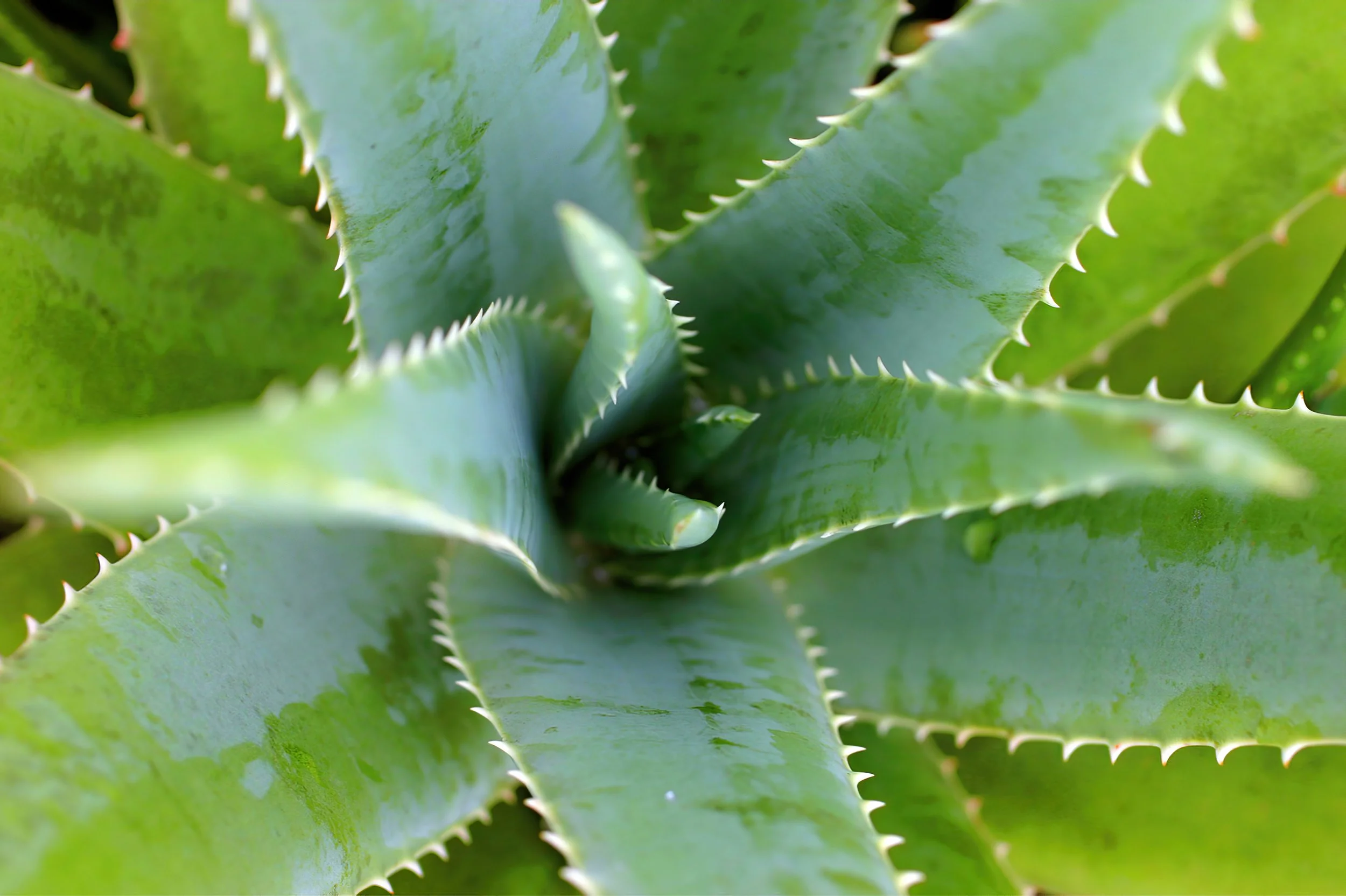
Growing your own is the best option for topical use. Aloe vera requires very little: bright indirect light, minimal water (drought-tolerant — over-watering is the most common way to kill it), and well-draining soil. It propagates easily from offset pups at the base of the plant.
Contraindications and Cautions
Aloin/Latex: Never consume whole leaf aloe vera juice or products containing aloin internally. The laxative effect is dose-dependent and at higher doses can cause severe cramping, electrolyte imbalances, and kidney damage with prolonged use. Decolorized, purified inner fillet products are safe for internal use at appropriate doses.
Diabetes medications: Aloe vera may lower blood glucose. If you take diabetes medications, discuss aloe vera supplementation with your provider to avoid hypoglycemia.
Pregnancy: Oral aloe vera (whole leaf or high dose) is contraindicated in pregnancy due to its stimulant laxative effects. Topical use of pure inner gel is generally considered safe.
Kidney conditions: High doses of oral aloe vera have been associated with kidney problems. Do not use therapeutic doses of aloe vera juice if you have kidney disease without medical guidance.
Topical allergy: Rare but possible. Test on a small area of skin first if you have known plant allergies. People with an allergy to plants in the Asphodelaceae family should proceed with caution.
Drug interactions: Aloe vera may interact with diuretics, digoxin, and other medications that affect electrolyte balance. Consult your provider if you take any of these.
Surgical procedures: Discontinue oral aloe vera use at least two weeks before any surgical procedure due to potential effects on blood glucose and electrolytes.
A Note on Evidence and Honesty
The clinical research on aloe vera is promising and in several areas genuinely strong. Topical use for burns and wound healing has the most consistent evidence. Internal use is promising but more variable and depends heavily on the preparation used. I will always tell you what the research does and does not confirm rather than overstating what a plant can do.
Aloe vera is a safe, versatile, and genuinely useful plant. It earns its place on the windowsill.
The information in this post is educational and does not constitute medical advice. Please consult your healthcare provider before making changes to your wellness routine, particularly if you have existing health conditions or take medications.
