Cooling Herbal Iced Tea Blends for Summer: 4 Recipes That Actually Do Something
This post contains affiliate links. As an affiliate for Amazon Associate and Wish Garden Herbs, I earn from qualifying purchases at no additional cost to you.
There is a difference between an iced tea that tastes good and one that actually does something. I love both, but in summer, when the heat affects my mood, my sleep, and my digestion in ways I can feel, I reach for the ones that accomplish more than refreshment.
I started experimenting with functional iced tea blends a few summers ago when I realized that some of the herbs sitting in my cabinet had documented effects that were genuinely relevant to what summer does to the body. Hibiscus lowers blood pressure and cools you from the inside in a way that plain cold water does not. Lemon balm calms the nervous system at the end of a hot, overstimulated day. Mint is vasodilating and genuinely refreshing in a functional way, not just a sensory one.
These are four blends I make on rotation all summer. Each one was chosen because the herbs in it have something specific to offer, and I will explain what that is before the recipe so you understand what you are drinking and why.
The Herbs and What They Do
HIBISCUS (Hibiscus sabdariffa)
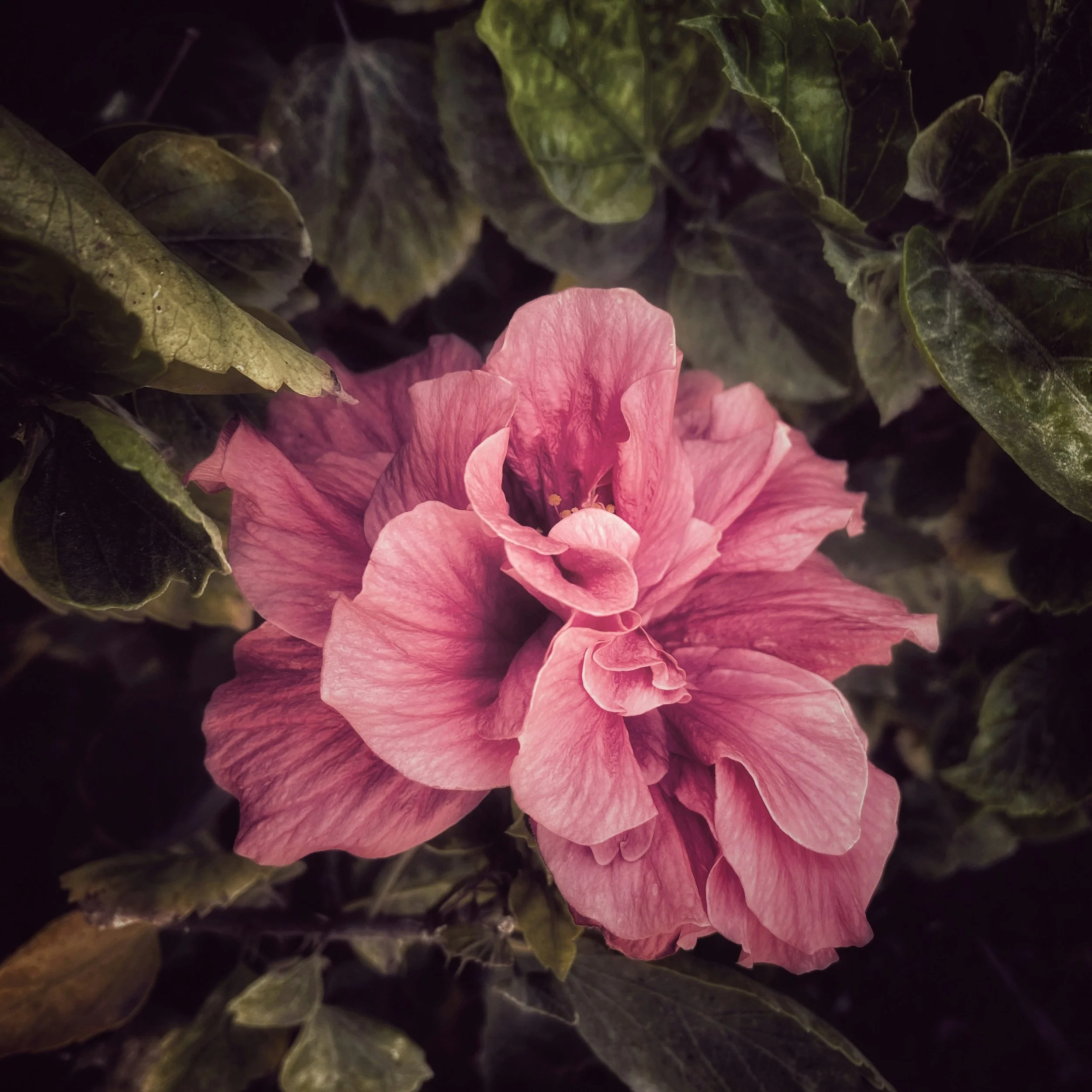
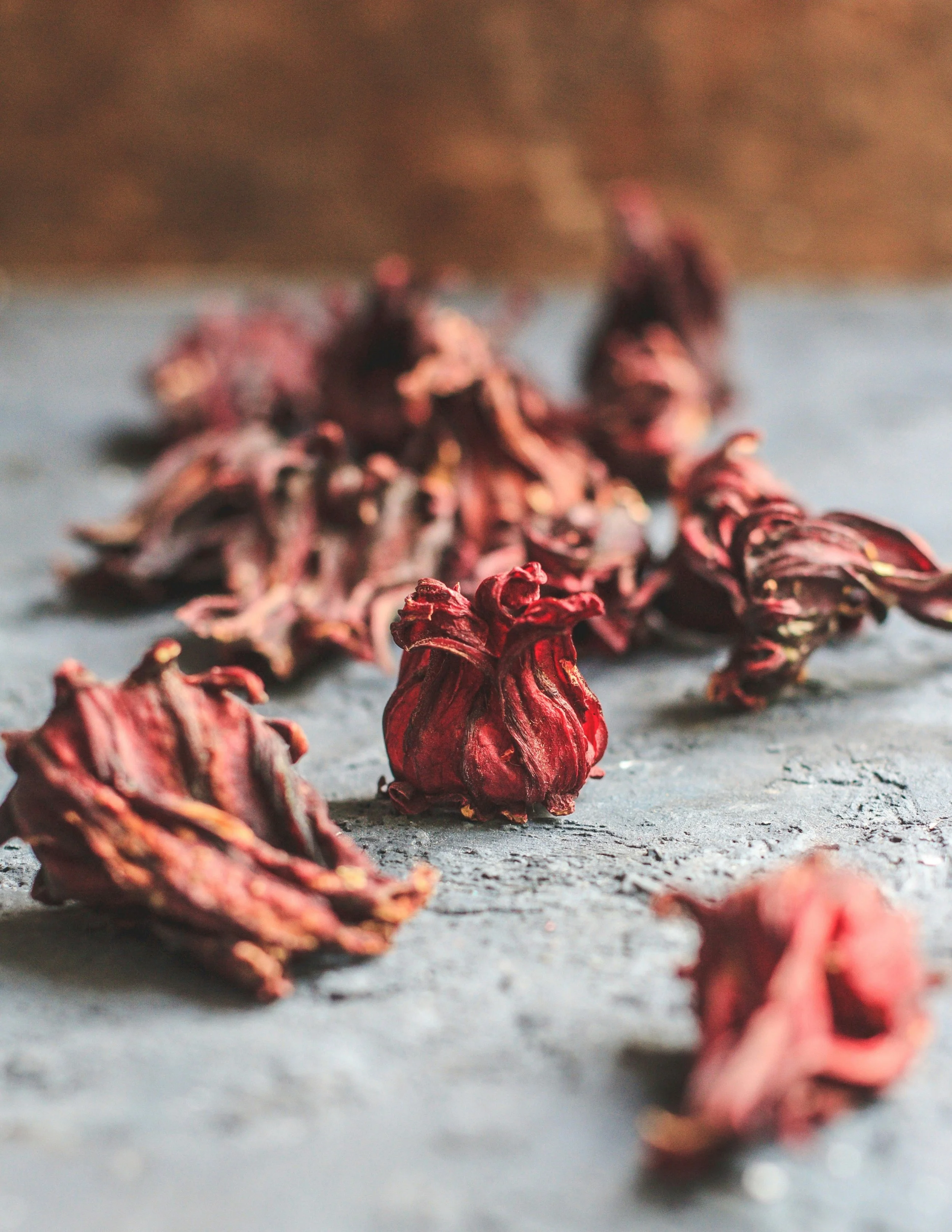
Hibiscus is one of the few herbs with multiple randomized controlled trials confirming a blood pressure-lowering effect comparable to some antihypertensives in people with mild to moderate hypertension. It also has genuinely cooling properties. The sour, anthocyanin-rich flowers reduce internal body temperature in a way that plain cold water does not replicate. The vibrant crimson color comes from the same compounds responsible for most of its benefits.
Buy here: dried hibiscus flowers
PEPPERMINT (Mentha piperita)
Menthol stimulates cold-sensitive receptors in the skin and mucous membranes without actually changing temperature, which is why peppermint feels genuinely
cooling. It also has vasodilating properties that help the body dissipate heat more efficiently. And it relaxes smooth muscle in the gut, making it one of the best herbs for the digestive discomfort that heavy summer eating can bring.
Buy here: dried peppermint leaf
LEMON BALM (Melissa officinalis)
Lemon balm works primarily by inhibiting GABA transaminase, which increases available GABA in the brain, producing a calm, clear-headed state rather than sedation. A clinical study found meaningful reductions in anxiety and insomnia after two weeks of consistent use. In summer, when heat disrupts sleep and elevates cortisol, a lemon balm iced tea in the evening is one of the most pleasant functional choices available.
Buy here: dried lemon balm
ROSE PETALS AND ROSEHIPS (Rosa spp.)
Dried rose petals and rosehips are high in vitamin C and flavonoids with documented anti-inflammatory activity. Rosehips specifically have been studied for their effects on joint inflammation and skin aging. They add a floral complexity to blends and genuine antioxidant value that goes well beyond making the tea look pretty.
Buy here: dried rose petals
Buy here: dried rosehips
TULSI (Ocimum tenuiflorum)
Tulsi, also called holy basil, is an adaptogen with particular affinity for the stress response and cognitive function. Research supports its use for stress-induced anxiety, cognitive clarity, and immune support. It has a complex, slightly spicy-floral flavor that works beautifully in iced tea and adds meaningful functional value to any blend it joins.
Buy here: dried tulsi
Four Summer Iced Tea Recipes
A glass pitcher with a tight lid is essential for cold brewing. I keep two in the refrigerator all summer.
glass pitcher with lid
fine mesh tea strainer
raw local honey
Blend 1: Cooling Hibiscus Mint
Best for: hot days, blood pressure support, digestive comfort.
2 tablespoons dried hibiscus flowers
1 tablespoon dried peppermint leaf
1 teaspoon dried rosehips (optional but worth it)
4 cups water
Raw honey to taste
MAKE: Bring water to a boil. Remove from heat, add herbs, cover, and steep 10 minutes. Strain, sweeten with raw honey if desired, and refrigerate until cold. Serve over ice. Keeps 3 days refrigerated.
Blend 2: Calm Evening Cold Brew
Best for: winding down, anxiety, sleep support.
2 tablespoons dried lemon balm
1 tablespoon dried chamomile flowers
1 teaspoon dried lavender flowers (culinary grade)
4 cups cold filtered water
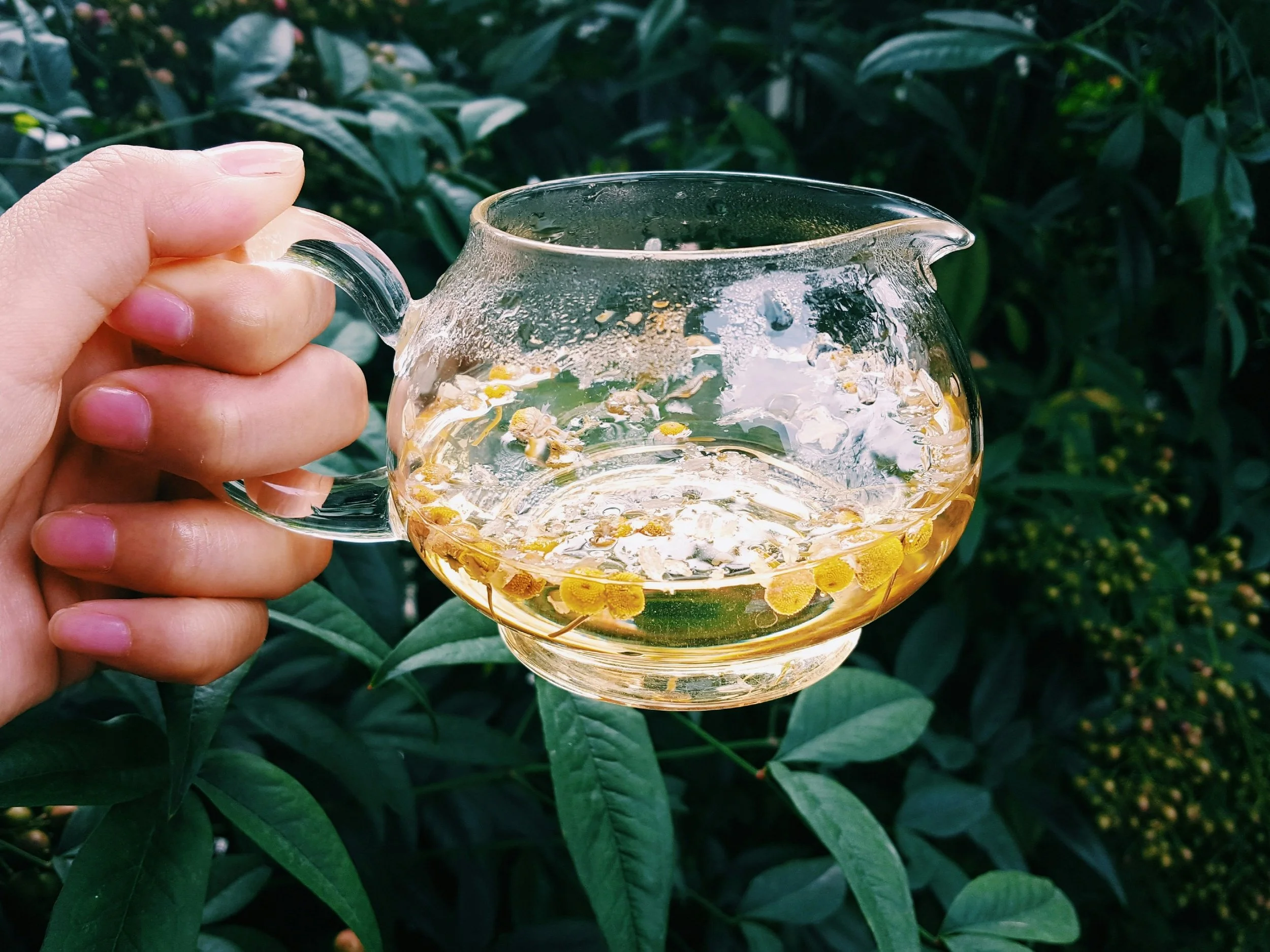
MAKE: Combine herbs and cold water in a glass pitcher. Cover and refrigerate for 8 to 12 hours, then strain. Do not use hot water for this blend. The cold brew method extracts the calming volatile oils more gently and produces a less bitter, more delicate flavor. This is my evening ritual all summer.
Wish Garden's Sleepy Nights tincture is also worth keeping on hand for particularly difficult nights. It combines passionflower, hops, and skullcap in a liquid formula that works within about 20 minutes.
Blend 3: Rose and Tulsi Glow Tea
Best for: antioxidant support, stress, skin health.
2 tablespoons dried rose petals
1 tablespoon dried tulsi holy basil
1 teaspoon dried rosehips
4 cups water
Slice of lemon to serve (optional)
MAKE: Steep in just-boiled water for 8 minutes, covered. Strain and cool completely. Serve over ice with lemon. The flavor is floral and elegant with a subtle warmth from the tulsi.
For a more concentrated adaptogenic support on stressful summer days, Wish Garden's Deep Stress tincture combines ashwagandha, holy basil, and milky oat for a stronger formula you can take alongside this blend.
Blend 4: Digestive Summer Blend
Best for: after heavy meals, bloating, BBQ season.
1.5 tablespoons dried peppermint leaf
1 tablespoon dried fennel seed whole
1 tablespoon dried ginger root or 2 slices fresh ginger
4 cups water
MAKE: Bring water to a near-boil. Add herbs, cover, steep 12 minutes. Strain. Refrigerate and serve over ice after meals. All three herbs in this blend are antispasmodics that relax smooth muscle in the gastrointestinal tract. Together they address post-meal heaviness from multiple directions simultaneously.
Storage
Cold brew teas last 3 to 4 days refrigerated. Hot brewed teas cooled and refrigerated last 2 to 3 days. Make in batches so there is always something ready. Once you get into the rhythm of refilling a pitcher every few days it becomes completely automatic.
The information in this post is educational and does not constitute medical advice. Please consult your healthcare provider before making changes to your wellness routine, particularly if you have existing health conditions or take medications.
