Getting to Know Mullein: The Gentle Giant of the Summer Garden
Affiliate Disclosure: This article may contain affiliate links. If you purchase through one of these links, I may earn a small commission at no additional cost to you. I only recommend products I genuinely believe support a thoughtful herbal journey.
There are some plants that seem determined to be noticed.
Their flowers demand attention.
Their fragrance drifts through the garden long before you reach them.
Their colors brighten every corner they grow.
Mullein is not one of those plants.
At first glance, it seems almost ordinary.
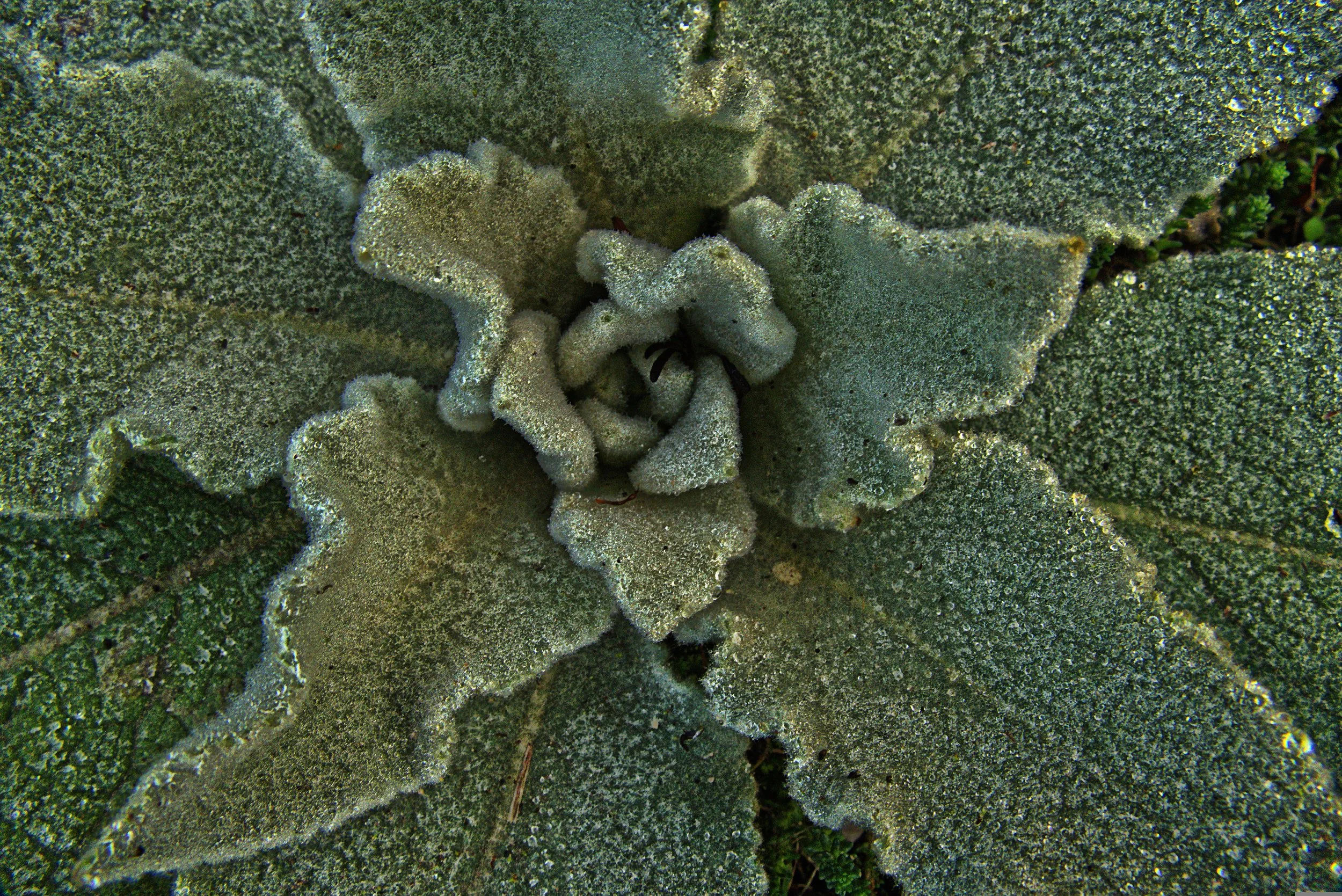
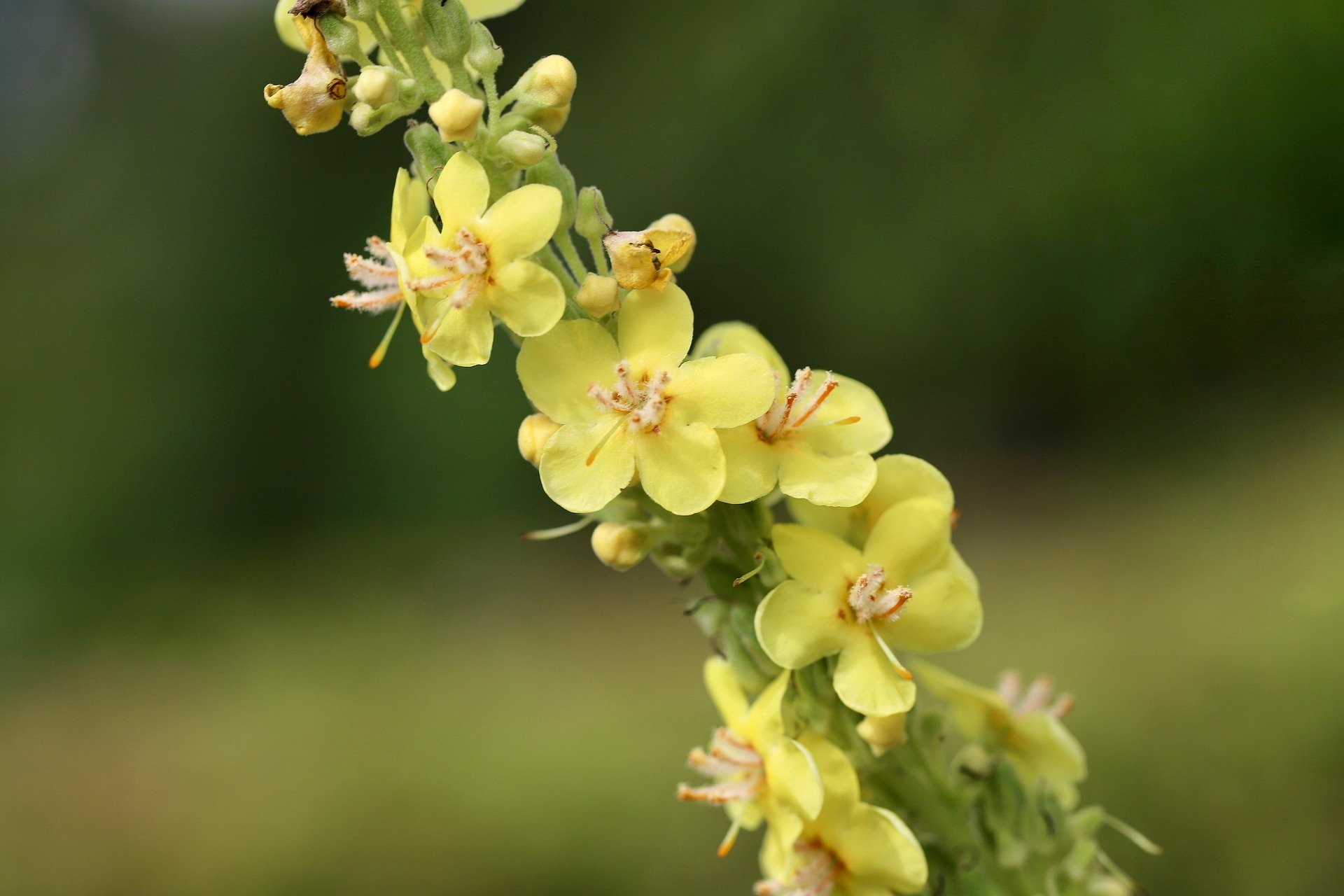
Its soft gray green leaves hug the ground during its first year, quietly gathering strength while the rest of the garden bursts with color. Then, almost as if it has been waiting patiently for the perfect moment, a tall flowering stalk rises toward the sky during its second season. Before long, tiny yellow blossoms begin opening one by one, creating a towering beacon that can often be spotted from across a meadow.
It is difficult to ignore once you know what you're looking for.
For centuries, herbalists have valued mullein not because it is flashy, but because it is dependable.
It has stood quietly beside country roads, in forgotten fields, and along sunny hillsides, offering gentle support to generations of people long before modern medicine found its way into our homes.
Like so many medicinal herbs, mullein asks us to slow down.
To notice.
To observe.
And perhaps most importantly, to become familiar with the plant before ever thinking about harvesting it.
Meeting Mullein
One of my favorite things about mullein is that it rarely seems to be in a hurry.
During its first year, the plant forms a low rosette of broad, velvety leaves that remain close to the ground. They're so soft that children have long compared them to rabbit ears or lamb's ears, though they are an entirely different plant.
If you've never touched a mullein leaf, I encourage you to do so the next time you find one.
Its thick layer of tiny hairs gives it a texture unlike almost anything else in the garden.
Those same fuzzy leaves also help explain why herbalists strain mullein tea so carefully, but we'll save that lesson for Friday.
By its second year, the plant transforms.
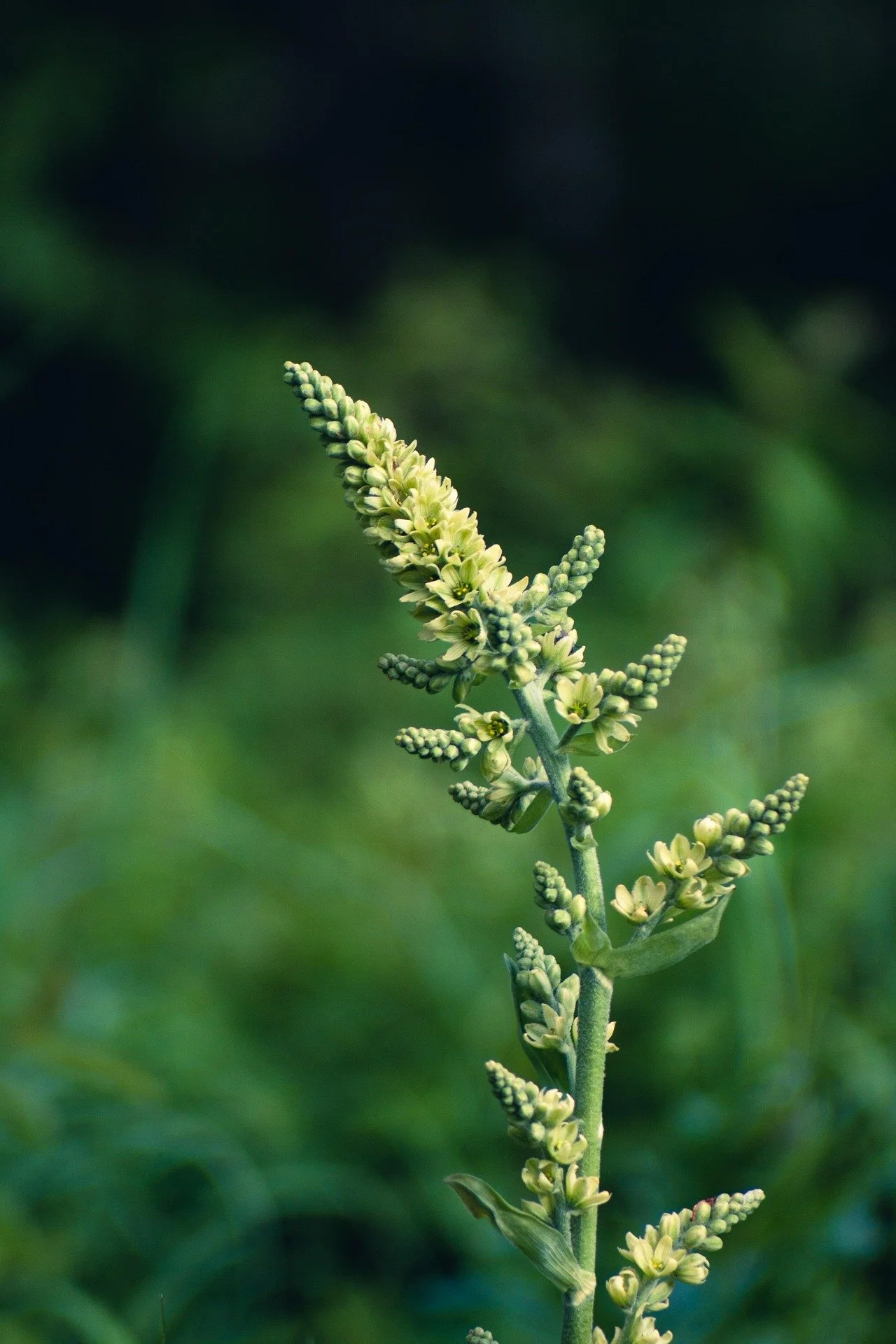
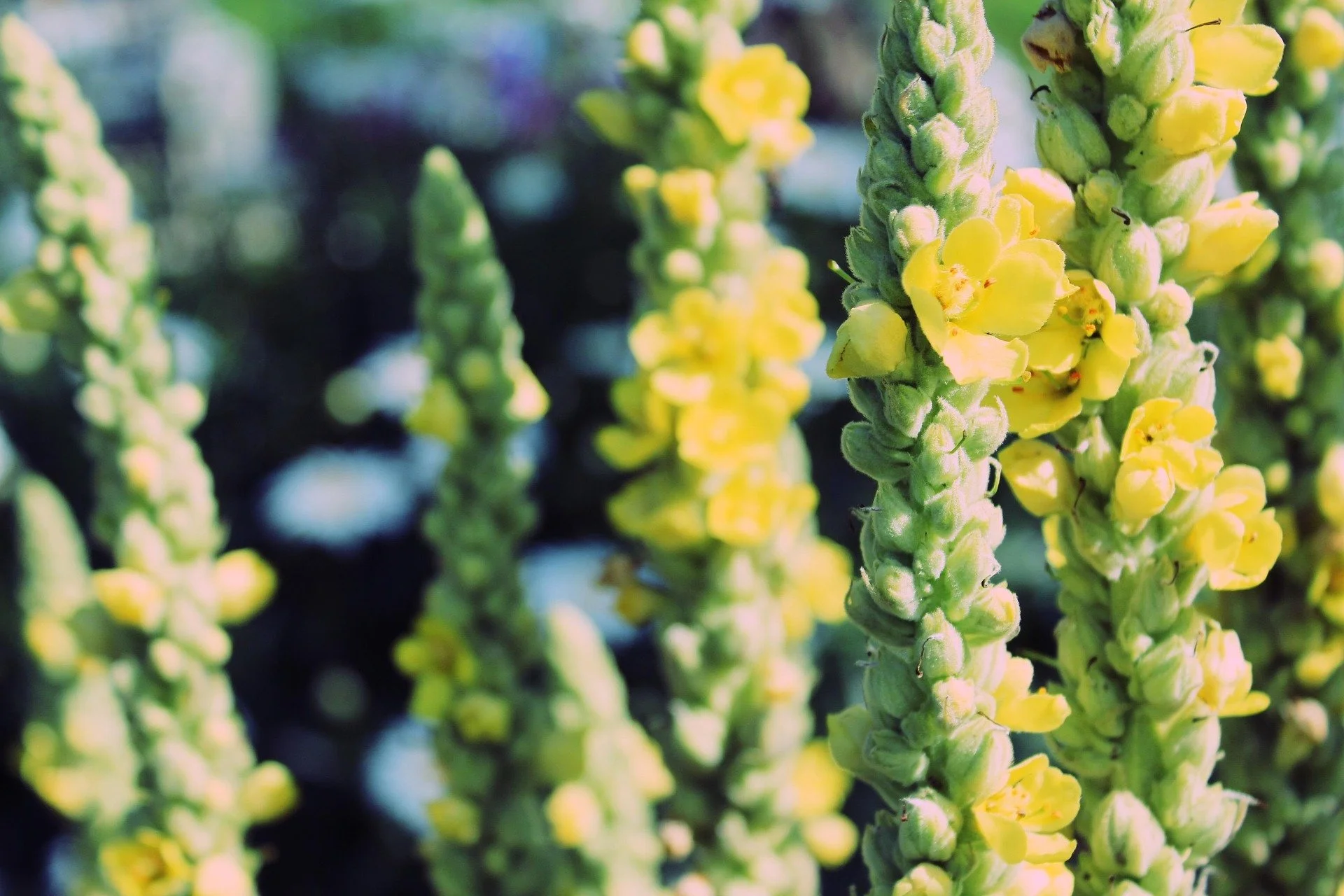
A tall flower spike stretches upward, sometimes reaching six feet or more, with cheerful yellow blossoms opening a few at a time throughout the summer.
Rather than blooming all at once, mullein teaches patience.
Each morning brings a handful of new flowers.
Each evening, another lesson in the rhythm of the season.
A Plant with a Long History
Long before pharmacies lined our streets, country families often looked to the plants growing nearby for everyday support.
Mullein became one of those trusted companions.
Its dried leaves were traditionally prepared as warming teas during the colder months, while its bright yellow flowers were infused into oils that found a place in many home apothecaries.
In some parts of Europe, dried mullein stalks were even dipped in tallow and used as torches after the growing season had ended.
It's amazing to think that a single plant could serve so many purposes.
Food for pollinators.
Medicine for the family.
Even light for the evening.
The more we learn about herbs like mullein, the easier it becomes to understand why generations before us valued them so highly.
Why Herbalists Still Treasure Mullein
Today, mullein is perhaps best known for its traditional relationship with the respiratory system.
Herbalists have long turned to the leaves when preparing teas intended to soothe and support the lungs, particularly during seasons when dry air and lingering coughs become common.
The flowers have their own story.
Traditionally infused into oil, they've been used in preparations that generations have kept close at hand.
Modern herbalists continue many of these traditions while recognizing that herbs support wellness rather than replace professional medical care.
What I appreciate most about mullein is its gentle reputation.
It isn't a dramatic herb.
It doesn't demand attention.
Instead, it quietly reminds us that some of the most valuable plants are also the most humble.
If you're interested in keeping dried mullein on hand throughout the year, organic dried mullein leaf is a wonderful option until your own garden begins producing enough to harvest.
Learning to Recognize the Plant
One of the greatest joys of herbalism is learning to recognize plants as old friends rather than strangers.
Mullein becomes surprisingly easy to identify once you've spent a little time with it.
Notice the soft leaves.
The woolly texture.
The tall flower spike.
The tiny yellow blossoms that never seem to open all at once.
Spend a few quiet minutes simply observing.
Watch which insects visit the flowers.
Notice how the leaves feel compared to nearby plants.
Observe where it prefers to grow.
These small moments of curiosity become the foundation of confident herbalism.
If you've enjoyed learning how observation strengthens your herbal practice, The Quiet Habit That Will Make You a Better Herbalist explores this idea more deeply.
A Few Gentle Reminders
As with every medicinal herb, proper identification is essential.
Never harvest a plant unless you're completely confident you've identified it correctly.
When harvesting from the wild, avoid roadsides, areas treated with herbicides, or places where the soil may be contaminated.
Healthy plants growing in clean environments make the best additions to a home apothecary.
Patience is every bit as important as knowledge.
Looking Ahead
Now that we've met mullein, it's time to invite it into the herbal pantry.
On Friday, we'll continue getting to know this remarkable plant by learning when to harvest its leaves and flowers, how to dry them properly, and how to prepare one of the simplest traditional mullein remedies for your home apothecary.
After all, every meaningful herbal remedy begins with understanding the plant itself.
From the Homestead
The older I become, the more I appreciate plants that don't ask to be admired.
Mullein doesn't compete with the brightest flowers in the garden.
It simply grows where it's needed, reaching quietly toward the sun year after year.
Perhaps there's something we can learn from that.
Not every valuable thing announces itself.
Sometimes the greatest gifts are the ones waiting patiently along a country path, hoping someone curious enough will stop to say hello.
