From Garden to Jar: Storing Dried Herbs the Traditional Way
Affiliate Disclosure: This article may contain affiliate links. If you purchase through one of these links, I may earn a small commission at no additional cost to you. I only recommend books, tools, and products I genuinely believe support a thoughtful herbal journey.
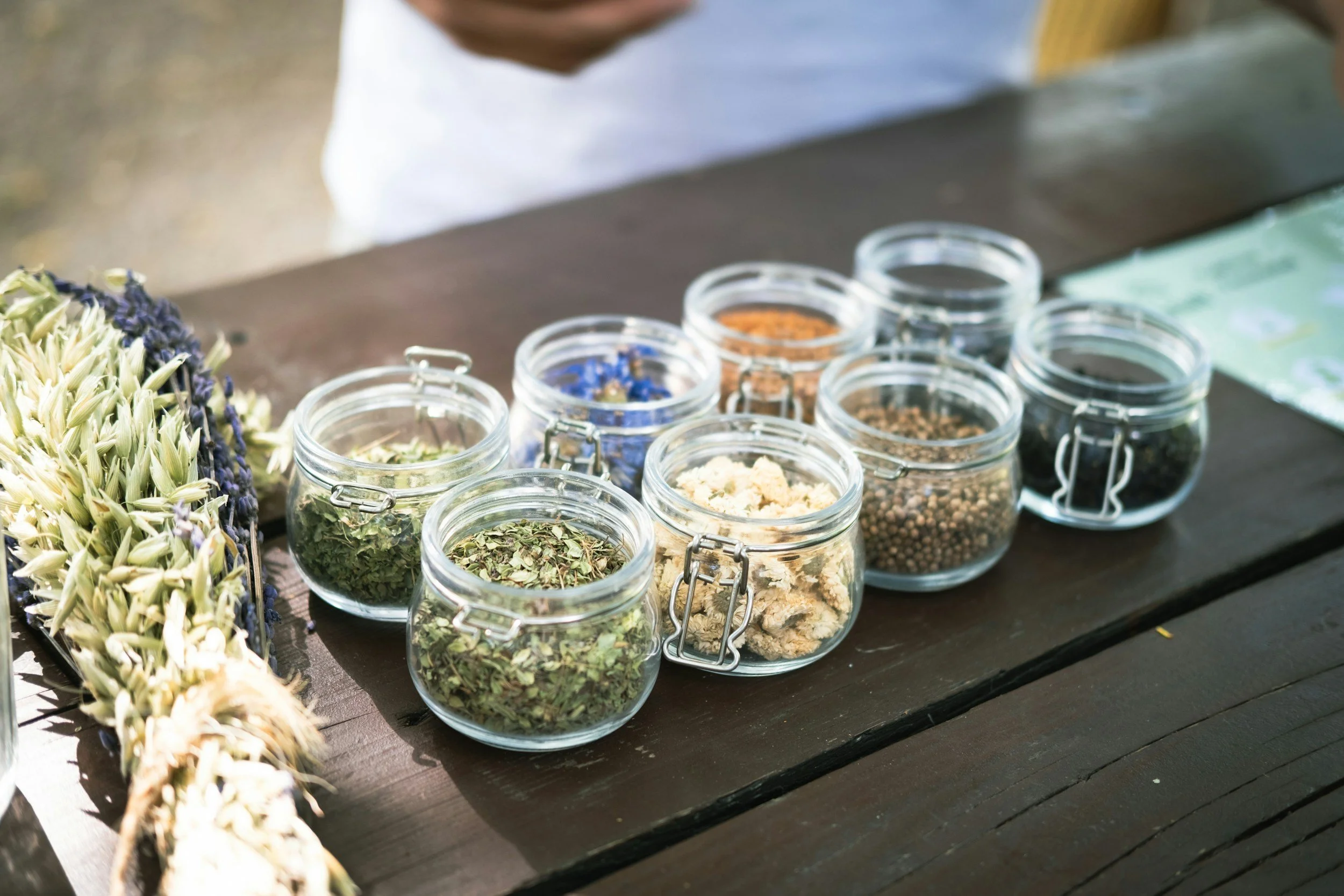
There is a quiet satisfaction that comes with opening a cupboard and seeing jars of herbs you've grown, gathered, and dried with your own hands.
Each one tells the story of a season.
The peppermint reminds you of the morning you harvested it before the summer heat settled in.
The calendula recalls weeks of cheerful blooms gathered a few flowers at a time.
The lavender still carries the fragrance of warm evenings in the garden.
Long before home apothecaries became popular, shelves like these could be found in kitchens and pantries across the countryside. They weren't arranged for decoration or social media photographs.
They were practical.
Families understood that the growing season was fleeting, and if they hoped to enjoy the gifts of the garden through autumn and winter, they needed to care for those herbs properly once they were dry.
Harvesting was only the beginning.
Storing them well ensured that months later, when a cup of tea or a comforting remedy was needed, the herbs were every bit as useful as the day they were gathered.
Today, that tradition continues.
Not because it's old fashioned.
Because it still works.
Knowing When Your Herbs Are Ready
One of the hardest things for new herbalists to learn is knowing when drying has truly finished.
The calendar won't tell you.
Your herbs will.
Leaves should crumble easily between your fingers instead of bending.
Flower petals should feel light and papery.
Stems should snap with a gentle crack rather than fold.
If anything still feels cool, soft, or slightly damp, let it remain where it is for another day or two.
Patience has always been one of herbalism's greatest teachers.
Waiting a little longer has never ruined a harvest.
Storing herbs too soon sometimes has.
Why Whole Herbs Last Longer
Once your herbs are dry, it can be tempting to crumble everything into small pieces before storing it.
Resist that temptation.
Whole leaves, flowers, and stems naturally protect the delicate aromatic oils inside the plant. They hold their fragrance longer and preserve more of the qualities that made you want to harvest them in the first place.
There's another reason I enjoy storing herbs whole.
Every jar still looks like the plant it came from.
A peppermint leaf remains unmistakably peppermint.
A calendula blossom still resembles the cheerful flower that brightened the garden only weeks before.
Even months later, the herbs continue introducing themselves.
When it's time to prepare a tea or recipe, simply crumble what you need.
The rest can remain just as nature made it.
Choosing the Right Jar
Our ancestors stored herbs in whatever they had available.
Stone crocks.
Tin containers.
Paper packets.
Glass jars eventually became the favorite because they kept herbs clean, dry, and easy to identify.
They're still one of the best choices today.
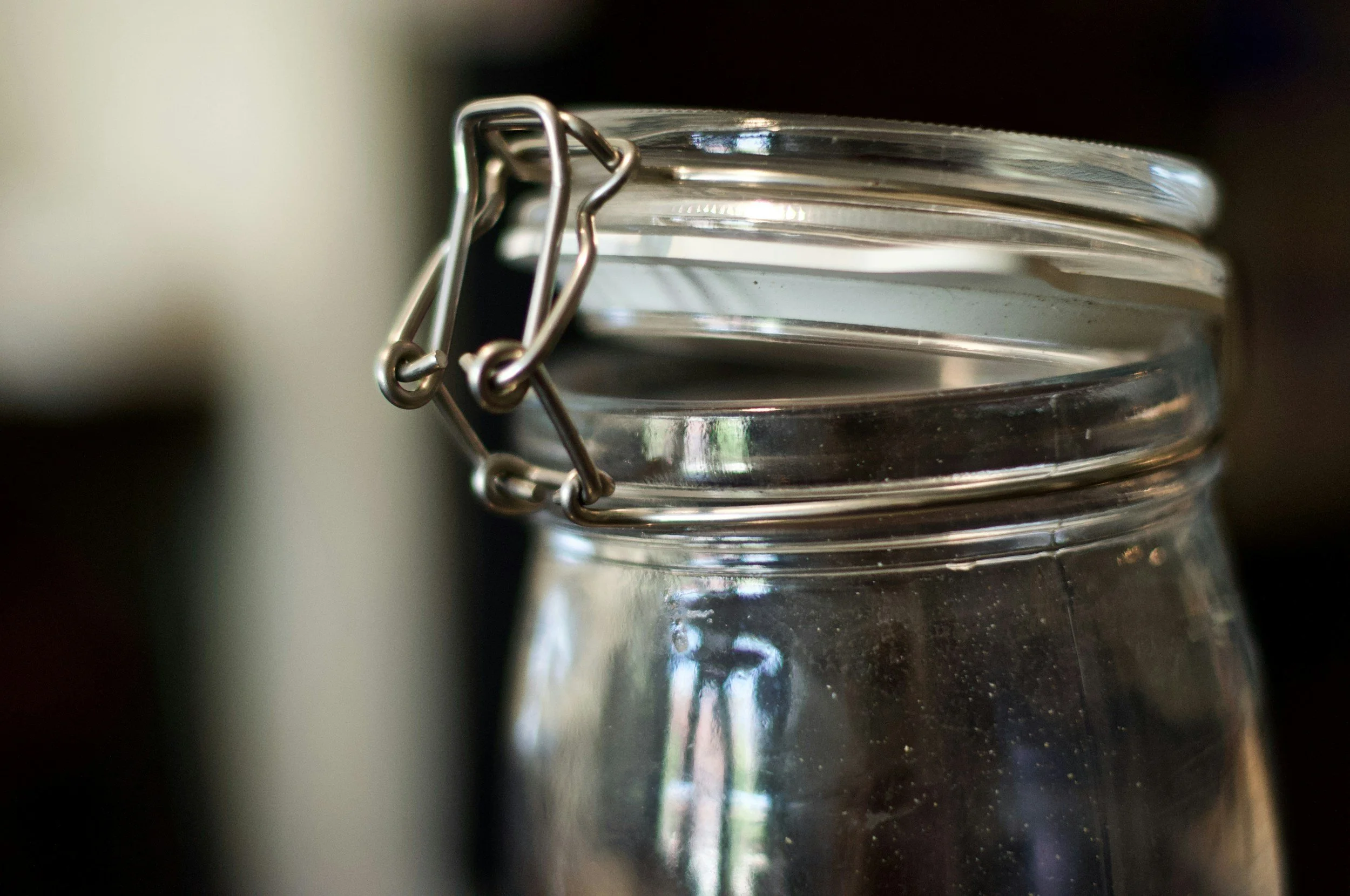
A set of wide mouth glass jars makes it easy to see your herbs while allowing enough room to remove leaves without crushing them.
If your jars will sit inside a pantry or cabinet, clear glass works beautifully.
If they'll be displayed where sunlight reaches them, amber glass offers a little extra protection.
The jar matters.
But where you keep it matters even more.
A Home Away From Light
Heat.
Light.
Moisture.
These are the three things dried herbs appreciate the least.
Choose a cupboard, pantry, or cabinet that stays cool throughout the year.
Avoid placing jars beside the stove where steam rises daily.
Keep them away from sunny windows that warm the glass each afternoon.
A quiet shelf in a cool pantry is often perfect.
Every time you open that cupboard, you'll be greeted by the gentle fragrance of herbs waiting patiently for their next purpose.
Label Every Harvest
It seems unnecessary at first.
Surely you'll remember which jar holds lemon balm and which one contains peppermint.
Until you don't.
A simple handwritten label prevents that confusion.
Include the common name of the herb.
The harvest date.
If you'd like, add where it was growing or a note about that season.
Perhaps it was harvested after several days of rain.
Perhaps the calendula bloomed especially well that summer.
These little details slowly become part of your own herbal story.
A simple set of kraft jar labels makes it easy to update your collection as each season brings new harvests.
Build Your Apothecary One Jar at a Time
When people imagine a home apothecary, they often picture shelves filled with dozens of perfectly organized jars.
It's a beautiful image.
But it rarely begins that way.
Every experienced herbalist started with a first jar.
Then a second.
Perhaps a third the following season.
Your collection will grow naturally alongside your knowledge.
There is no need to rush.
One carefully stored herb that you know well is far more valuable than twenty jars you've never taken the time to use.
The goal has never been to fill shelves.
The goal is to build familiarity.
Put It Into Practice
Today, choose one herb you've recently dried.
Fill a clean glass jar.
Create a simple handwritten label.
Include the name of the herb and today's date.
Then place it somewhere safe, cool, and dry.
Before closing the cabinet, pause for just a moment.
Notice the color of the leaves.
The fragrance that escapes as you open the jar.
Remember the morning you gathered that plant from the garden.
This small ritual may seem ordinary now.
Months from today, when you reach for that same jar on a cold winter evening, you'll realize you've preserved much more than a harvest.
You've preserved a memory.
Looking Ahead
Now that your herbs have found a permanent home, it's time to begin putting them to use.
In our next article, we'll prepare one of the simplest herbal remedies every beginner should know using herbs you've already learned to harvest, dry, and store.
The journey from garden to jar is complete.
Now the real fun begins.
From the Homestead
One of my favorite moments each autumn is opening the pantry and seeing the shelves slowly fill.
Each jar represents a morning spent in the garden.
A lesson learned.
A season remembered.
Together, they become more than ingredients.
They become a reminder that nature is generous to those willing to notice her rhythms.
And perhaps that's what herbalism has always been about.
Not collecting more things.
But caring well for the gifts we've already been given.
