The Quiet Habit That Will Make You a Better Herbalist
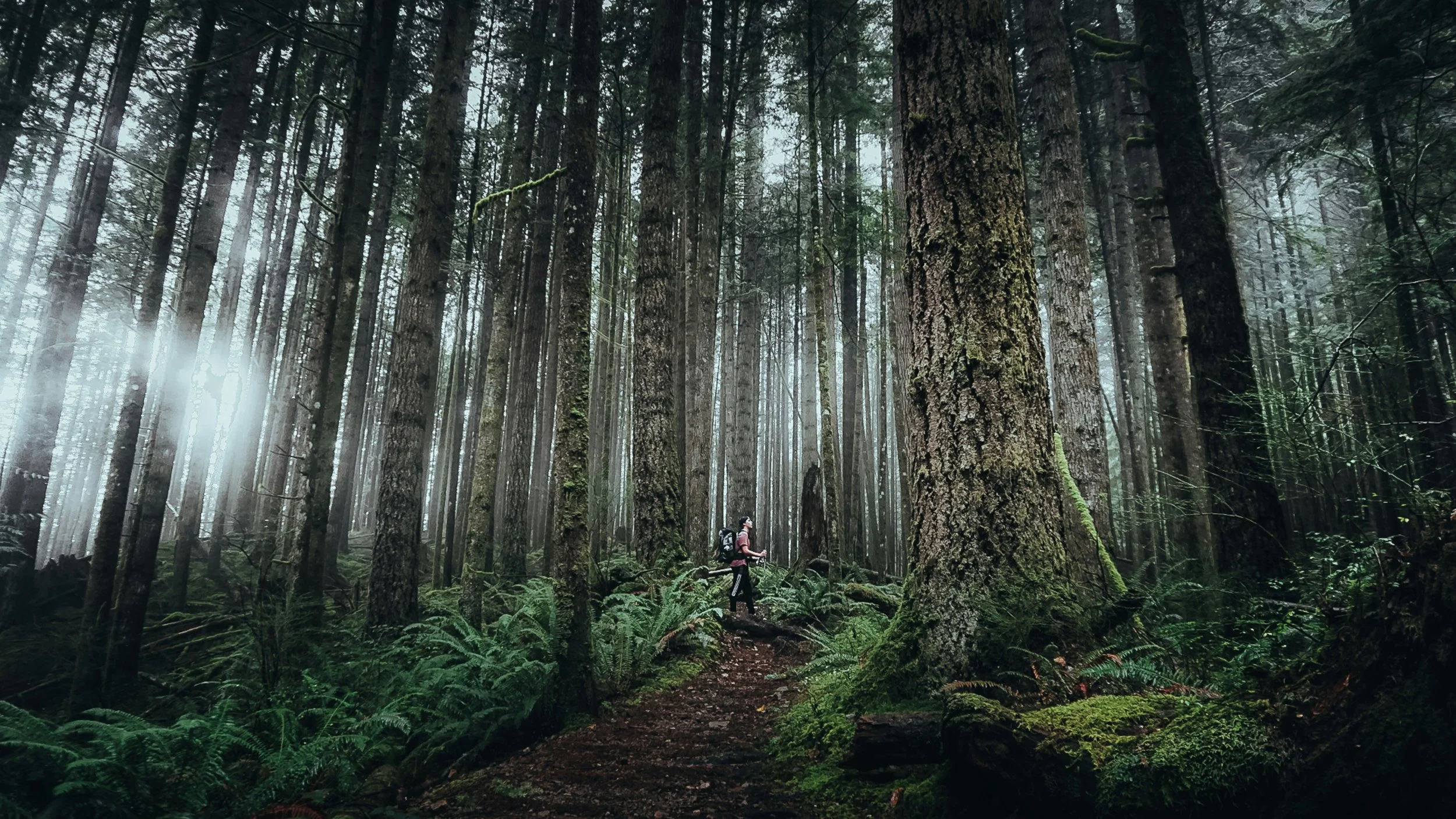
There is a saying among gardeners that the best fertilizer is the gardener's shadow.
The same could be said of herbalism.
Long before I ever learned the Latin names of plants or filled shelves with dried herbs in glass jars, I discovered that the greatest teachers rarely speak. They simply wait for us to slow down enough to notice them.
In a world that encourages us to collect information as quickly as possible, herbalism gently asks us to do the opposite.
It asks us to observe.
Not just once.
But again tomorrow.
And the day after that.
Then again next season.
The most skilled herbalists I know are not the ones who can recite the longest list of medicinal uses. They are the ones who have watched the same patch of chamomile bloom through a dozen summers. They know how the leaves change after a week of rain, how the flowers smell differently in the cool of morning, and which bees always seem to visit first.
That kind of knowledge cannot be rushed.
It has to be lived.
Begin Before You Feel Ready
Many beginners believe they need an overflowing bookshelf before they can call themselves herbalists.
They purchase guides, label jars, and collect seeds, all while quietly wondering if they know enough to begin.
The truth is much simpler.
You can begin today with nothing more than a notebook and your own curiosity.
Choose one plant.
Not ten.
Not twenty.
Just one.
Visit it every few days.
Notice how the leaves feel between your fingers. Observe how the stems change after rain. Watch which insects visit its flowers. Pay attention to the light it prefers and the way it leans toward the sun.
Write everything down.
You are not trying to impress anyone.
You are building a relationship.
That relationship is the foundation of herbalism.
Keep a Herbal Notebook
A notebook becomes far more than a collection of notes over time.
It becomes a record of seasons.
One day you'll flip back through its pages and realize you've watched the same plant grow for three years.
You'll notice patterns you never expected.
Perhaps calendula always blooms a little earlier after a mild winter.
Perhaps lemon balm seems happiest beneath the afternoon shade of your apple tree.
These observations are deeply personal because they belong to your own garden, your own climate, and your own experience.
No book can teach you exactly what your plants will teach you.
If you're beginning your own observation journal, a sturdy linen bound notebook is a worthwhile investment. One notebook can become years of accumulated knowledge.
Learn the Story, Not Just the Uses
It is tempting to reduce every herb to a list.
Chamomile helps with sleep.
Peppermint supports digestion.
Plantain soothes the skin.
While these are useful facts, they are only a small part of each plant's story.
Every herb carries history.
Chamomile was treasured in cottage gardens throughout Europe, not only for its calming nature but because gardeners believed it strengthened neighboring plants.
Calendula brightened monastery gardens centuries before it appeared in modern seed catalogs.
Plantain traveled alongside people for generations until many Indigenous communities called it "the white man's footprint" because it seemed to appear wherever settlers traveled.
Learning these stories changes the way we see the plants around us.
As your curiosity grows, a trusted botanical field guide becomes an excellent companion. Rather than replacing observation, it helps answer the questions that naturally arise after you've spent time with a plant.
They become companions rather than ingredients.
Observation Builds Confidence
Many new herbalists worry about making mistakes.
The beautiful thing about observation is that it carries almost no risk.
You are not preparing tinctures.
You are not identifying wild plants for harvest.
You are simply learning to notice.
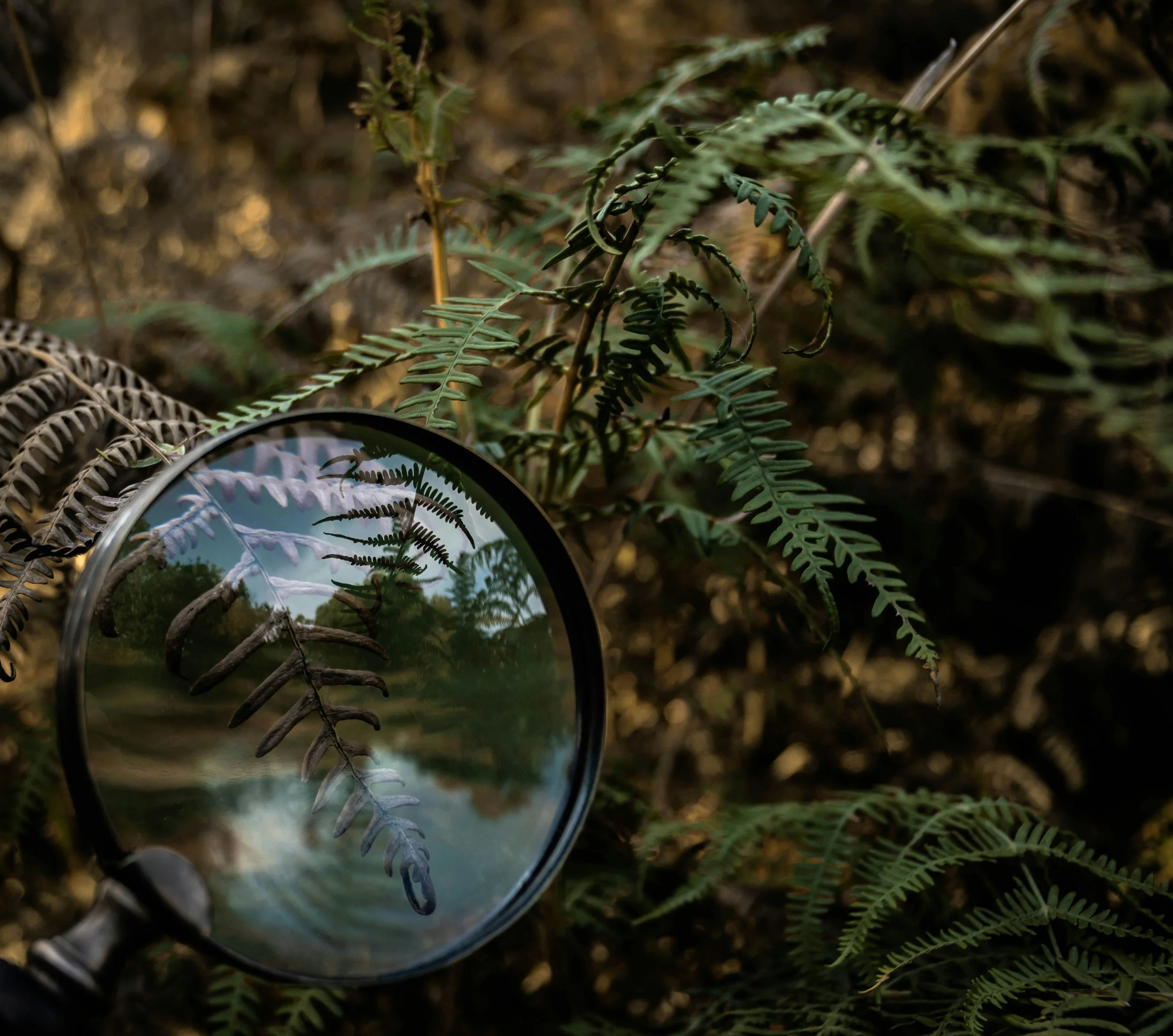
A small 10x botanical hand lens can reveal tiny details that are easy to miss with the naked eye. Leaf hairs, flower structures, and seed heads suddenly become miniature worlds waiting to be explored.
Confidence grows quietly.
Not through memorization.
But through familiarity.
Bring the Garden Home
Not every lesson has to happen outdoors.
Bring home a few sprigs of herbs you've grown or purchased from a trusted source.
Place them on your kitchen table.
Study them while enjoying a warm cup of tea.
Sketch a leaf.
Describe its scent.
Notice how the color changes as it dries.
A simple set of colored botanical pencils encourages careful observation, even if you don't consider yourself an artist.
The goal isn't to create beautiful drawings.
The goal is to see more than you did yesterday.
Build a Small Field Kit
As your curiosity grows, you'll likely find yourself stopping during walks to look more closely at the plants around you.
A small field kit makes these moments easy.
Mine rarely contains anything fancy.
A notebook.
A pencil.
A magnifying lens.
A trusted field guide.
Occasionally a small pair of scissors.
Everything fits inside a simple waxed canvas field bag that has accompanied me through countless walks.
Simple tools invite frequent use.
Complicated systems often remain on shelves.
Let Curiosity Lead
Perhaps the greatest lesson herbalism offers is permission to slow down.
You do not have to know everything this season.
You do not have to memorize every medicinal plant before spring ends.
One careful observation is worth more than a dozen facts you've already forgotten.
The herbs are patient.
They have been growing quietly for centuries.
They will still be there tomorrow.
And if you return often enough, notebook in hand, they will slowly begin to introduce themselves.
That, more than anything else, is how herbalists are made.
---
From the Homestead
The oldest herbal knowledge wasn't passed from search engines or social media.
It was gathered by people who walked the same paths every day, watched the same plants through every season, and allowed curiosity to become wisdom.
Perhaps that's where every herbal journey should begin.
