How Hibiscus Actually Cools Your Body and Lowers Blood Pressure: A Summer Cooler That Does the Work
This post contains affiliate links. As an affiliate for Amazon Associate, I earn from qualifying purchases at no additional cost to you.
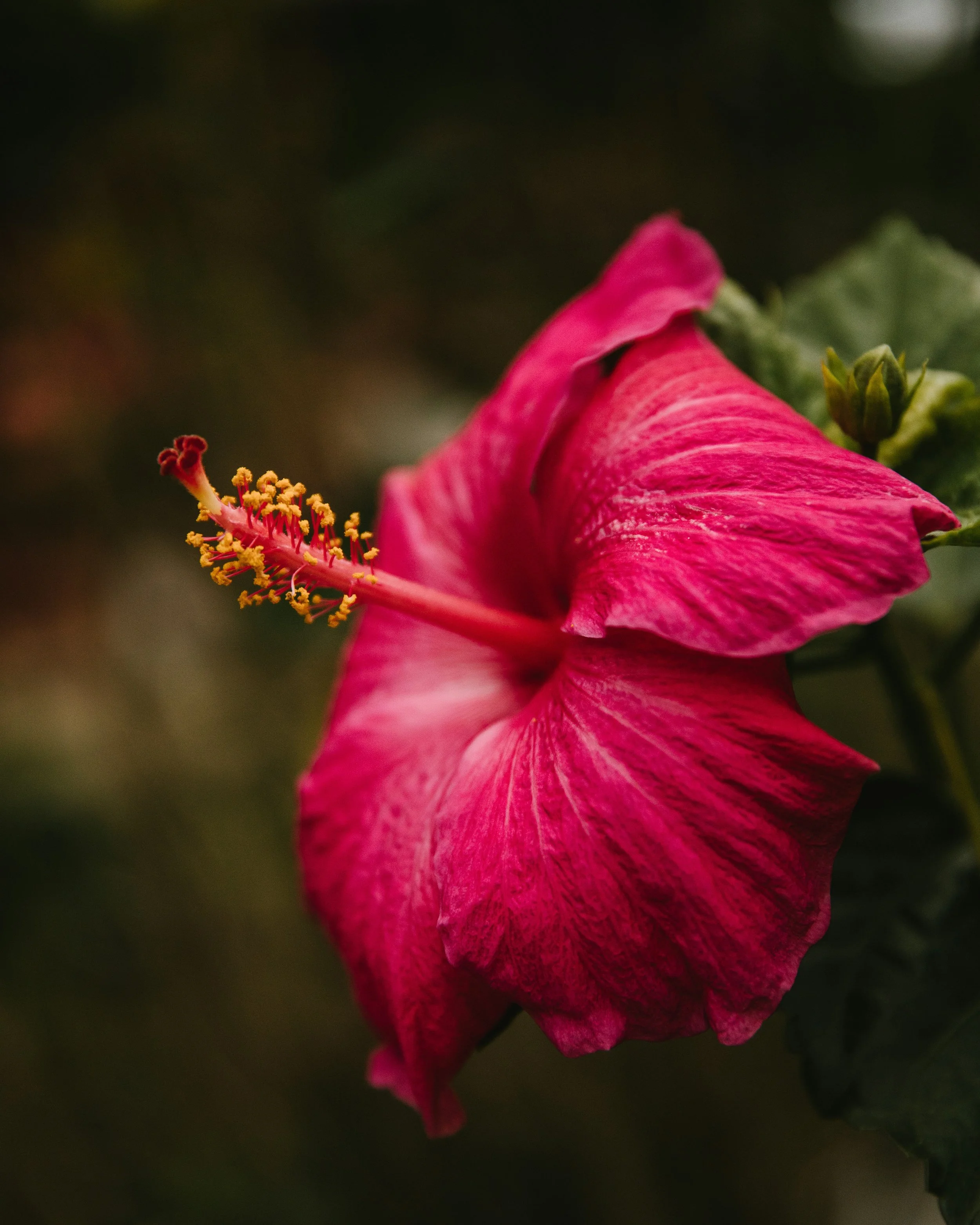
I want to start this post with a confession. For years I thought of hibiscus as the pretty ingredient. The thing that made a tea blend turn that gorgeous deep crimson and gave it a pleasant tartness. I had no idea it was doing real work in my body every time I drank it.
Then I started reading the research, and hibiscus turned out to be one of the most studied medicinal plants in my entire cabinet. Not folk medicine, not wishful thinking, but multiple randomized controlled trials confirming effects that genuinely rival pharmaceutical interventions in some cases. And it happens to be one of the most perfectly suited herbs for summer that exists.
This post is about what hibiscus actually does in the body, why it is uniquely suited to hot weather, and how to turn that knowledge into a genuinely refreshing summer cooler that does more than quench your thirst.
What Hibiscus Actually Does in the Body
Hibiscus (Hibiscus sabdariffa, sometimes called roselle or sour tea) has been used medicinally for around 6,000 years, with archaeological evidence tracing its use back to ancient Sudan. But the modern research is what makes it genuinely exciting.
The blood pressure effect
This is the most robust finding. A 2015 systematic review and meta-analysis published in the Journal of Hypertension found that hibiscus tea significantly lowered both systolic and diastolic blood pressure, with effects that the researchers noted rival some pharmaceutical interventions in people with mild to moderate hypertension. Studies have shown average drops of roughly 7 to 10 mmHg systolic.
The mechanism is genuinely interesting. Hibiscus appears to work in part by mildly inhibiting ACE, the angiotensin-converting enzyme. This is the same system that common blood pressure medications called ACE inhibitors target, though hibiscus does it more gently. It also provides antioxidant support that helps counter the oxidative stress that contributes to high blood pressure.
The cooling effect
Here is where hibiscus becomes a true summer herb. In both Ayurveda and Traditional Chinese Medicine, hibiscus is classified as cooling, meaning it is traditionally used to clear excess heat from the body, both the physical kind like inflammation and the felt kind like irritability and agitation. Its mild diuretic action supports this by helping the body release heat and excess fluid.
When you combine the genuine cardiovascular benefit with the traditional cooling action, you get an herb that is almost purpose-built for hot weather.
An Important Note on Who Should Be Careful
Because hibiscus genuinely lowers blood pressure, it is not right for everyone. If you already have low blood pressure, or you take blood pressure medication or diuretics, hibiscus could push things too far or interact with your medication. The effects on pregnancy are not well established, so it is best avoided then. As always, this is educational information, not a replacement for guidance from your own healthcare provider.
The Cooling Hibiscus Summer Cooler
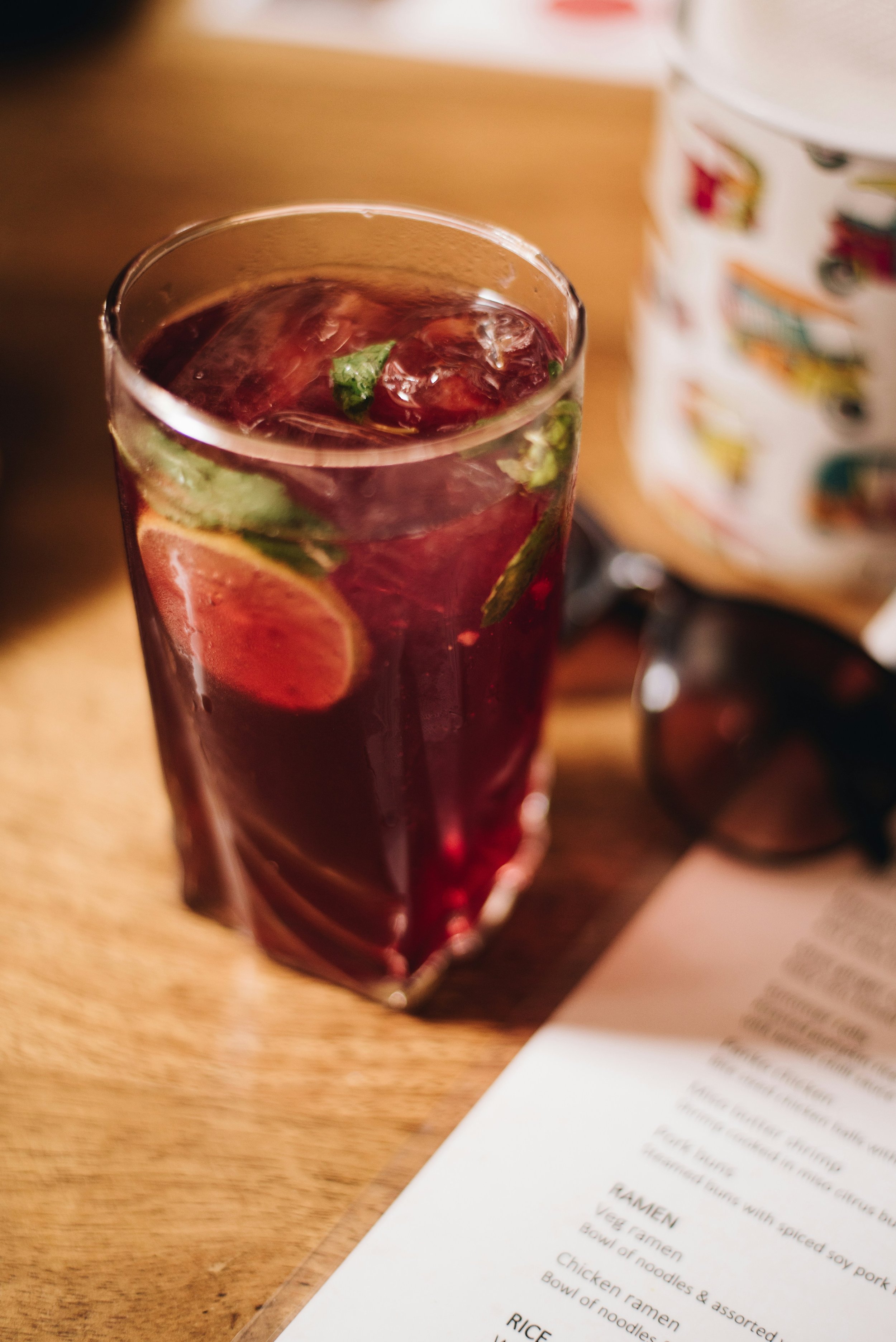
This is the drink I make in a big batch and keep in the refrigerator all summer. It delivers the genuine cardiovascular and cooling benefits of hibiscus in a form that feels like a treat rather than a remedy.
WHAT YOU NEED:
1/2 cup dried hibiscus flowers
4 cups water
2 tablespoons raw honey or maple syrup, to taste
Juice of 1 lime
Fresh mint sprigs
Cucumber slices
A fine mesh strainer for straining the flowers
A large glass drink dispenser or pitcher
INSTRUCTIONS:
Bring the water to a boil, then remove from heat. Add the dried hibiscus flowers, cover, and steep for 15 to 20 minutes. The longer you steep, the deeper the color and the more tart and concentrated the flavor.
Strain out the flowers through a fine mesh strainer. While the liquid is still warm, stir in the honey or maple syrup until dissolved. Add the lime juice. Let it cool to room temperature, then refrigerate until cold.
Serve over ice in tall glass tumblers with fresh mint and cucumber slices, both of which are themselves cooling in traditional medicine, so they add to the effect rather than just looking pretty.
For the genuine blood pressure benefit, the research generally used about three cups daily over several weeks, so this is a drink that rewards making it a regular summer habit rather than a one-time thing.
Why This Beats a Store-Bought Cold Drink
Most cold summer drinks cool you for a moment and then leave you with a sugar crash or a load of artificial ingredients. This one is genuinely working with your body, supporting healthy blood pressure, providing antioxidants, and tapping into the traditional cooling action that has made hibiscus a hot-weather staple across cultures for thousands of years. It tastes like a treat and behaves like medicine. That is exactly the kind of thing this blog is about.
