Herbs for Summer Digestion: Natural Remedies for the BBQ Season
This post contains affiliate links. As an affiliate for Amazon Associate and Wish Garden Herbs, I earn from qualifying purchases at no additional cost to you.
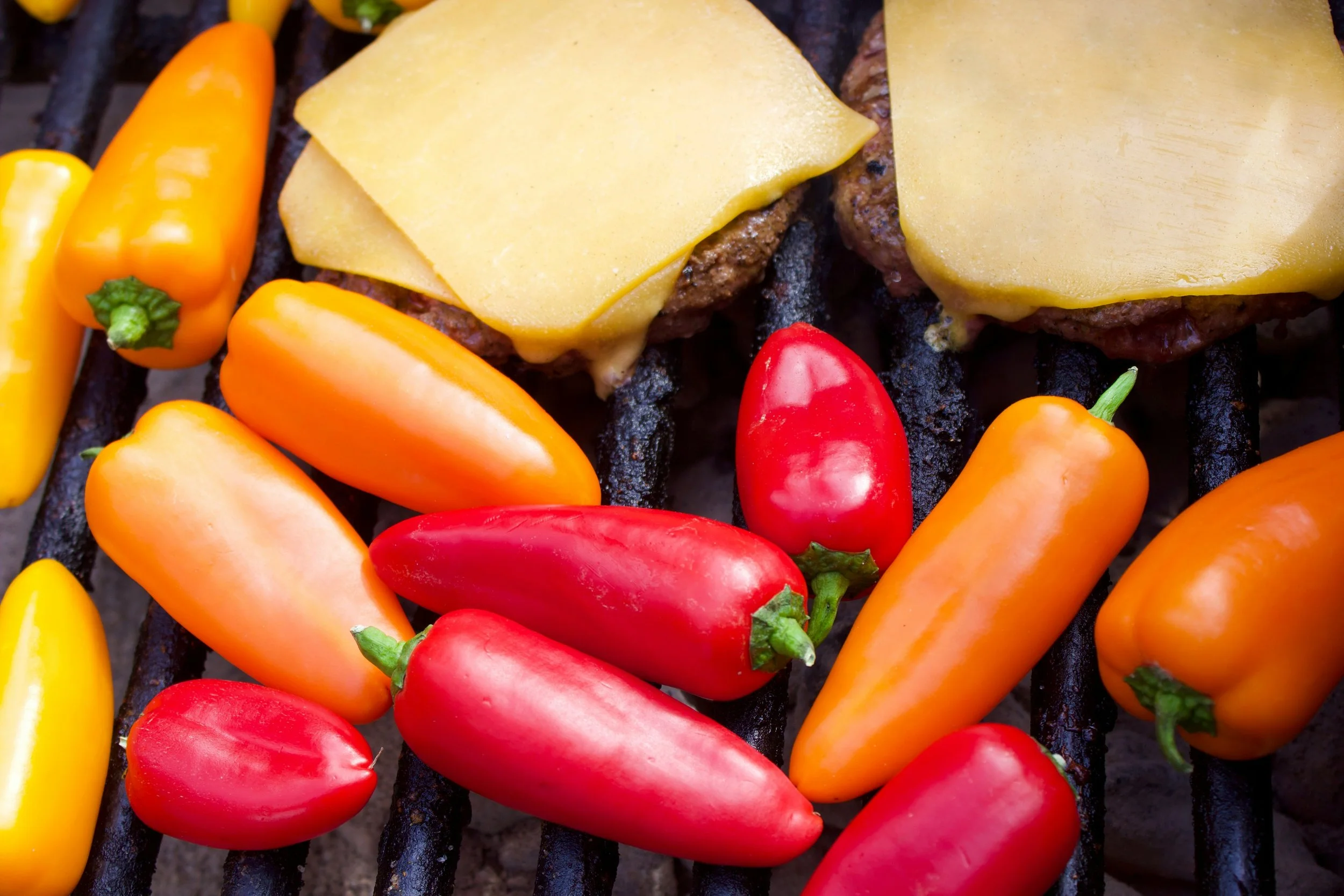
Summer eating is different from the rest of the year. More grilling, more fat, more protein, more eating outdoors in the heat, more long social meals that stretch past the point of comfort. All of this puts more demand on the digestive system than a regular weeknight dinner, and most people deal with the aftermath the same way, with an antacid and an early bedtime.
I want to offer a different toolkit. Not because antacids are useless, but because for most of the heavy, sluggish, bloated feeling that follows a summer meal, they are addressing the wrong mechanism. That feeling is usually a motility problem, meaning the digestive system is not moving things through efficiently, rather than an excess acid problem. Antacids do not help with motility and may actually make protein digestion harder over time by reducing the stomach acid you need for it.
The herbs I reach for after a heavy summer meal work with the digestive system rather than suppressing it. They stimulate enzyme production, relax smooth muscle in the gut, reduce inflammation, and support bile production for fat digestion. Here is what the evidence says about each one and how to use them.
Five Digestive Herbs for Summer
Digestive Bitters
Bitters are not a single herb but a category of preparation, typically a blend of bitter herbs taken in small amounts before or after meals. The bitter taste activates receptors on the tongue that signal the body through the vagus nerve to produce saliva, digestive enzymes, and bile before food even arrives. This is why a small amount of bitters before a heavy meal makes a genuine difference to how you feel afterward.
Traditional digestive bitter herbs include gentian root, dandelion root, artichoke leaf, burdock root, and orange peel. If you would rather not make your own, Wish Garden's Badass Bitters is my go-to ready-made option, combining gentian, fenugreek, Oregon grape root, yarrow, orange peel, and hops in a convenient spray format. Three sprays on the tongue about 15 minutes before a big meal.
Ginger (Zingiber officinale)
Ginger contains gingerols and shogaols that stimulate gastric motility, meaning they help food move through the digestive system more efficiently. They also reduce nausea and inhibit the prostaglandins responsible for digestive cramping. Multiple clinical trials confirm its effectiveness for nausea, functional dyspepsia, and general digestive discomfort. Fresh ginger simmered into a tea is the simplest way to use it after a heavy meal.
Fennel (Foeniculum vulgare)
Anethole, the primary active compound in fennel, is an antispasmodic that relaxes smooth muscle in the gastrointestinal tract, reducing bloating, cramping, and gas. Clinical evidence supports its use for IBS and general digestive cramping. Chewing half a teaspoon of fennel seeds after a heavy meal is one of the oldest and most straightforward digestive remedies in the world, and it works.
Peppermint (Mentha piperita)
Peppermint's antispasmodic effects extend to the entire gastrointestinal tract. Multiple randomized trials confirm a significant reduction in IBS symptoms including abdominal pain and bloating. A cup of peppermint tea after a summer meal addresses cramping, gas, and that heavy, full feeling effectively.
One important note: avoid peppermint if you have GERD or a hiatal hernia. The muscle-relaxing effect that helps the gut can worsen reflux by relaxing the lower esophageal sphincter. Spearmint is a gentler alternative that does not carry this risk.
Chamomile (Matricaria chamomilla)
Chamomile is uniquely useful for summer digestive discomfort because it addresses both the gut and the nervous system at the same time. Since a lot of summer digestive trouble has a stress component, eating on the go, eating quickly in the heat, eating more socially than usual, chamomile works on both dimensions at once.
DIY Digestive Bitters Tincture
Making your own bitters requires a few weeks of patience but produces a genuinely excellent preparation and enough to last months. This is one of those recipes that makes you feel very much like a herbalist. The base herbs here, dandelion root and orange peel, are the two you likely do not already have on hand, so I have linked those along with the bottles you will want for storing the finished tincture.
WHAT YOU NEED:
2 tablespoons dried dandelion root
1 tablespoon dried orange peel
1 tablespoon dried ginger root
1 teaspoon fennel seed
Half teaspoon cardamom pods, lightly crushed
1 ½ cups high-proof vodka or brandy, 80 proof minimum
Dark glass dropper bottles for storing the finished tincture
INSTRUCTIONS:
Combine all the dried herbs and spices in a clean glass jar with a tight-fitting lid. Pour the vodka or brandy over the herbs until they are completely submerged with at least an inch of liquid above them. Cap tightly, shake well, and store in a cool dark place. Shake daily for 2 to 4 weeks. Strain into your dropper bottles, pressing the herbs firmly to extract all the liquid. Label with the date and contents.
TO USE: Half a teaspoon in a small amount of water 10 to 15 minutes before meals, or after a meal for existing discomfort. Keeps indefinitely when stored in a cool dark place.
DIY Summer Digestive Tea Blend
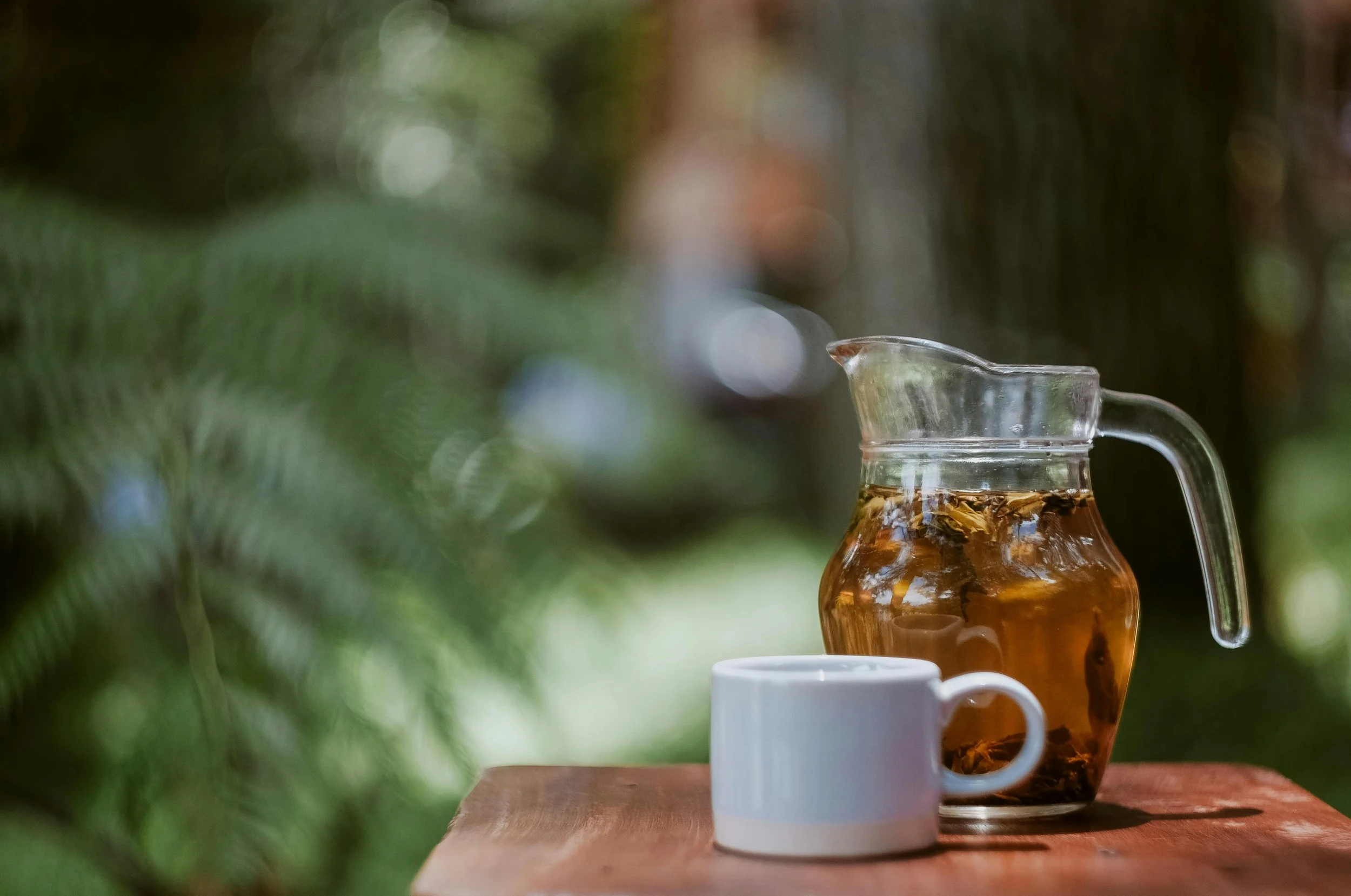
This is the blend I keep in a pitcher in the refrigerator all summer for after-meal support. If you have been following along with the blog you likely already have all four of these herbs in your cabinet, so the only thing linked here is the pitcher I use for cold steeping.
WHAT YOU NEED:
1 ½ tablespoons dried peppermint leaf
1 tablespoon dried chamomile flowers
1 teaspoon fennel seed, lightly crushed
1 teaspoon dried ginger root or 2 slices fresh ginger
4 cups water
A glass pitcher with a built-in infuser
INSTRUCTIONS:
Bring the water to a near-boil. Add the herbs, cover, and steep for 12 minutes. Strain. Drink warm after meals, or refrigerate and serve over ice. A small amount of raw honey improves the flavor and adds its own gentle digestive support. Keeps 3 days refrigerated.
The information in this post is educational and does not constitute medical advice. Please consult your healthcare provider before making changes to your wellness routine, particularly if you have existing health conditions or take medications.
