How to Grow and Harvest Medicinal Herbs in Summer (Even in a Small Space)
This post contains affiliate links. As an Amazon Associate, I earn from qualifying purchases at no additional cost to you.
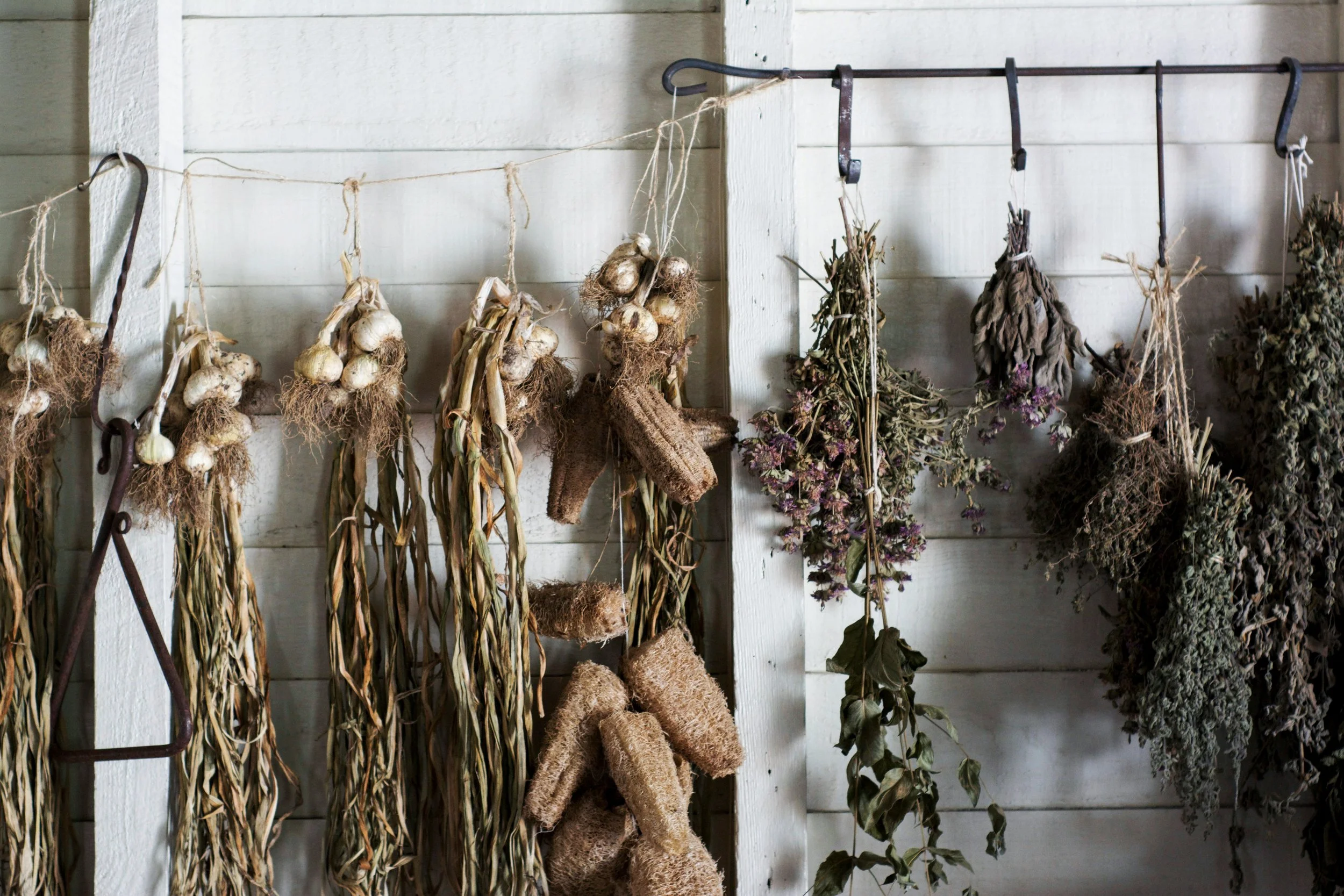
One of the most grounding shifts in my herbalism practice was moving from buying dried herbs to growing them. Not because it saves significant money, though it does, but because of what it teaches. When you grow calendula you start to understand why the resin on your fingers matters. When you harvest tulsi just before it flowers you understand why timing changes potency. The plants become something you know rather than something you consume.
I did not have a garden when I started. I had a porch, a few terracotta pots, and enough sunlight for about half the day. That was enough. Five of the most useful medicinal herbs you can own thrive in containers, and most are considerably more forgiving to grow than people expect.
This guide covers exactly which herbs to start with, how to grow them without a garden, and how to harvest and dry them so the medicine you are collecting actually retains its potency.
What to Gather Before You Start
Everything you need for a container medicinal herb garden, all linked below:
terracotta pots with drainage holes
well-draining herb potting mix
glass jar set for storage
waterproof plant labels
For starting from seed:
The Five Best Medicinal Herbs to Start With This Summer
CALENDULA (Calendula officinalis)
Why it belongs in your first collection: anti-inflammatory, wound-healing, antifungal, and skin-repairing with solid clinical evidence behind it. It produces enough flowers in one season to keep you stocked in infused oils and compresses for a year, and it is beautiful enough to earn its container on appearance alone.
Growing: full sun, well-draining soil, moderate water. Deadhead spent blooms regularly to encourage continuous flowering throughout the season. Direct sow seeds on the soil surface after your last frost.
Harvesting: pick fully open flowers in the morning. Calendula is sticky due to its resin content and your fingers will feel slightly tacky after harvesting. That stickiness is a sign of potency, not a problem.
Drying: spread in a single layer with excellent airflow. Calendula takes longer than most herbs due to its moisture content. Check that the centers are fully dry before storing, which may take 2 to 3 weeks. Store in airtight glass jars away from light.
TULSI, also called Holy Basil (Ocimum tenuiflorum)
Why it belongs in your first collection: an adaptogen with particular affinity for the stress response, cognitive clarity, and immune support. Research supports its use for anxiety, mental fatigue, and blood sugar regulation. It also makes one of the most complex and beautiful iced teas you will ever drink.
Growing: tulsi loves heat and full sun, which makes it one of the best summer container herbs available. It thrives in a 12-inch pot with well-draining soil and consistent water. It grows prolifically from late spring through early fall.
Harvesting: harvest stems in the morning before the plant flowers for the highest volatile oil content. Cut to about half the stem length. The plant bushes out and regrows quickly, so regular harvesting keeps it productive.
Drying: bundle loosely and hang in a warm dry well-ventilated space, or use a dehydrator on low heat. Use within 6 months for the best potency and flavor.
ECHINACEA (Echinacea purpurea)
Why it belongs in your first collection: one of the most researched immune-support herbs available, with multiple clinical trials confirming it reduces cold duration and severity when taken at the onset of symptoms. Growing your own gives you access to both the aerial parts and the roots, which means the full range of its medicinal compounds.
Growing: echinacea is a perennial that comes back year after year, making it one of the best long-term investments in a container herb garden. It prefers full sun and well-draining soil. Give it a deep pot of at least 12 inches, as the roots grow substantial over time.
Harvesting: harvest aerial parts in summer when the plant is in bloom. Roots can be harvested in fall from plants that are at least three years old.
Drying: spread aerial parts in a single layer on a mesh screen. Slice roots thin before drying, as they take longer and need lower heat. Store roots and aerial parts separately in labeled airtight jars.
LEMON VERBENA (Aloysia citrodora)
Why it belongs in your first collection: intensely lemon-scented, digestive-calming, mildly anxiolytic, and one of the most pleasant herbs to grow and use. Research supports its use for digestive comfort, mild anxiety, and as an antioxidant. The fragrance alone is worth having it on a porch.
Growing: lemon verbena loves heat and full sun. It grows vigorously in containers through summer and goes dormant in winter, returning in spring. Give it a large pot of at least 12 inches, rich well-draining soil, and consistent water during the growing season.
Harvesting: harvest leaves and stems throughout the growing season, ideally in the morning. The plant tolerates heavy harvesting and regrows readily. Harvest before flowering for the highest volatile oil content.
Drying: lemon verbena dries beautifully and retains its fragrance well. Bundle and hang, or spread on a mesh screen. Completely dry in 1 to 2 weeks. The dried herb holds its lemon fragrance for months.
YARROW (Achillea millefolium)
Why it belongs in your first collection: one of the most historically significant wound-healing herbs in Western herbalism, with documented antimicrobial, anti-inflammatory, and hemostatic properties. It is also easy to grow, drought-tolerant, and produces abundant flowers over a long season.
Growing: yarrow is extremely forgiving. It tolerates poor soil, drought, and partial shade, though it flowers most prolifically in full sun. Grow it in a container of at least 10 inches with well-draining soil. Water sparingly once established. It spreads by rhizome, so a container keeps it contained.
Harvesting: harvest flowers and upper leaves when the blooms are fully open. Cut stems to about half their length. The plant will rebloom through the season.
Drying: yarrow dries easily. Bundle and hang upside down in a warm dry space for 1 to 2 weeks. Store whole or strip the flowers and leaves from the stems. Use within a year for the best potency.
DIY Calendula and Yarrow Healing Infused Oil
Once you have a harvest of dried calendula and yarrow, this infused oil becomes the base for everything from a simple wound-healing salve to the after-sun facial oil in my summer skin care post. Both herbs are ideal for oil infusions and together they make a genuinely useful skin-repair oil.
WHAT YOU NEED:
2 tablespoons dried calendula flowers
2 tablespoons dried yarrow flowers and leaves
organic olive oil
cheesecloth for straining
dark amber glass bottle
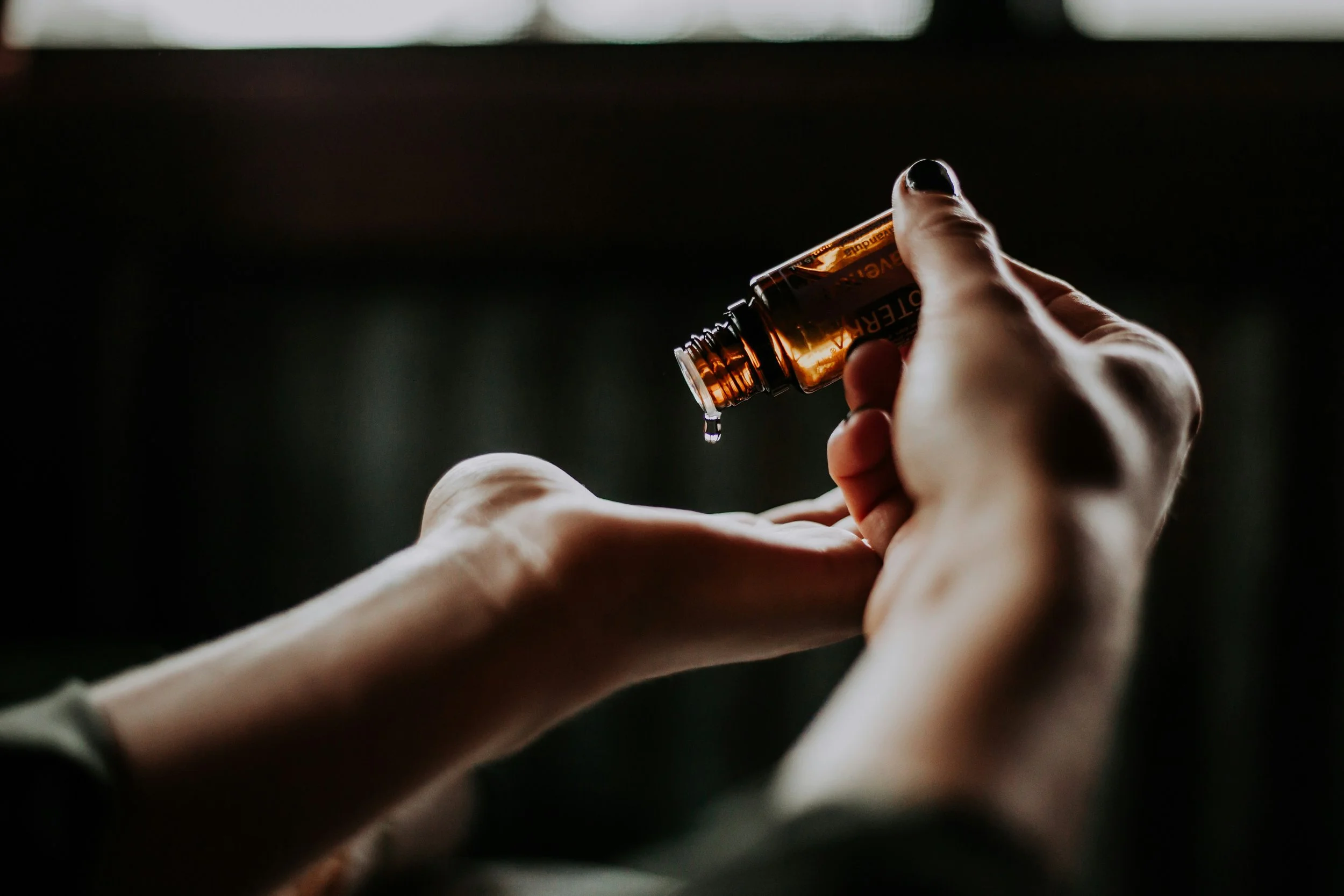
COLD METHOD (best for preserving delicate compounds):
Fill a clean dry glass jar loosely with the dried calendula and yarrow. Cover completely with your carrier oil, making sure the herbs are fully submerged. Cap tightly. Place in a sunny windowsill for 4 to 6 weeks, shaking the jar daily. Strain through cheesecloth into a clean dark glass bottle, pressing the herbs firmly to extract all the oil.
QUICK METHOD (heat infusion):
Combine the dried herbs and carrier oil in a double boiler. Heat on the lowest possible setting for 2 to 4 hours. The oil should be warm, never simmering. Strain and store in a dark glass bottle.
Use your infused oil directly on dry or irritated skin, as a base for salves, or as an ingredient in other skin care recipes. It keeps for up to a year when stored away from light and heat.
The information in this post is educational and does not constitute medical advice. Please consult your healthcare provider before making changes to your wellness routine, particularly if you have existing health conditions or take medications.
