Getting to Know Mullein: The Gentle Giant of the Summer Garden
Affiliate Disclosure: This article may contain affiliate links. If you purchase through one of these links, I may earn a small commission at no additional cost to you. I only recommend products I genuinely believe support a thoughtful herbal journey.
There are some plants that seem determined to be noticed.
Their flowers demand attention.
Their fragrance drifts through the garden long before you reach them.
Their colors brighten every corner they grow.
Mullein is not one of those plants.
At first glance, it seems almost ordinary.
Its soft gray green leaves hug the ground during its first year, quietly gathering strength while the rest of the garden bursts with color. Then, almost as if it has been waiting patiently for the perfect moment, a tall flowering stalk rises toward the sky during its second season. Before long, tiny yellow blossoms begin opening one by one, creating a towering beacon that can often be spotted from across a meadow.
It is difficult to ignore once you know what you're looking for.
For centuries, herbalists have valued mullein not because it is flashy, but because it is dependable.
It has stood quietly beside country roads, in forgotten fields, and along sunny hillsides, offering gentle support to generations of people long before modern medicine found its way into our homes.
Like so many medicinal herbs, mullein asks us to slow down.
To notice.
To observe.
And perhaps most importantly, to become familiar with the plant before ever thinking about preparing it.
Meeting Mullein
One of my favorite things about mullein is that it rarely seems to be in a hurry.
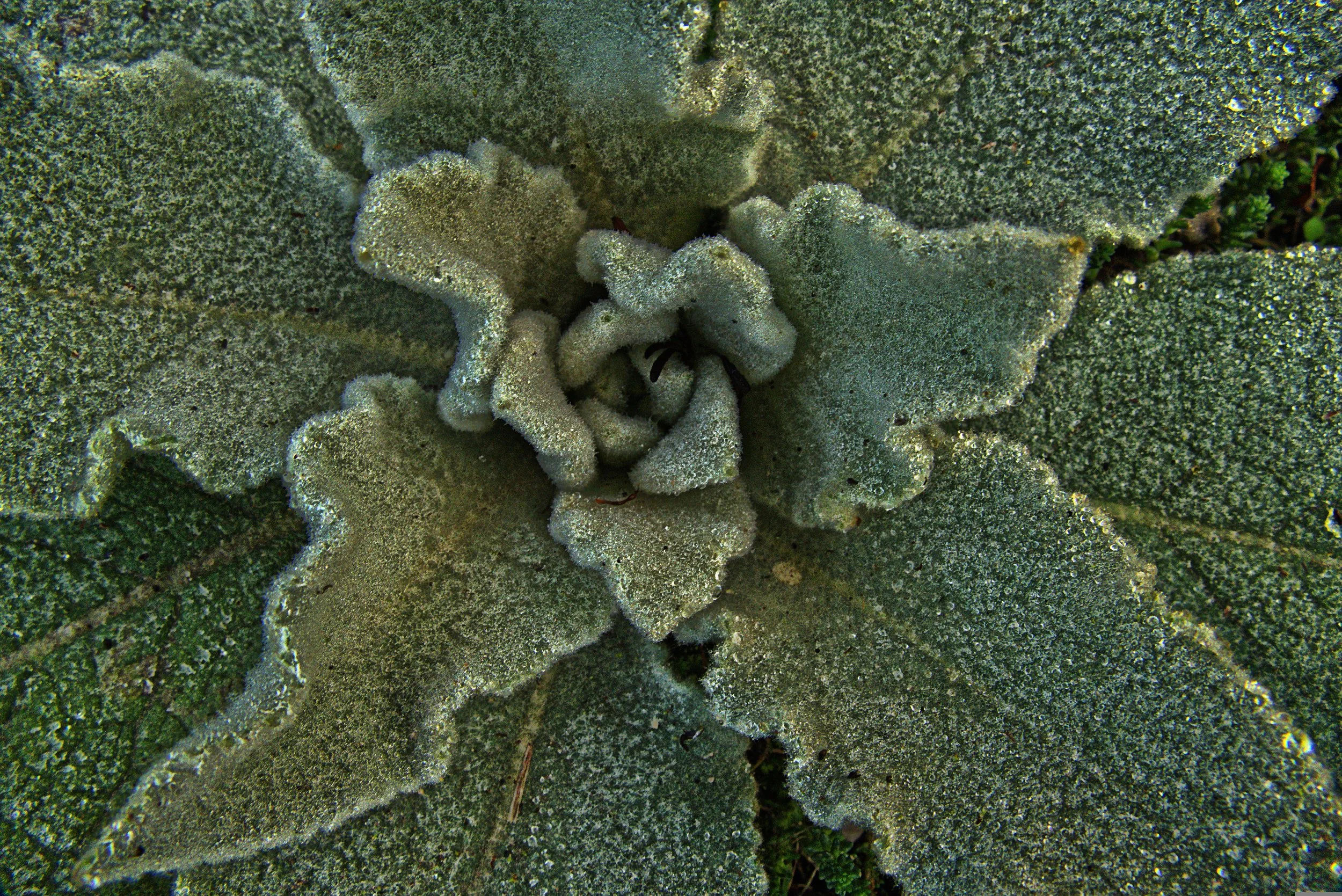
During its first year, the plant forms a low rosette of broad, velvety leaves that remain close to the ground. They're so soft that children have long compared them to rabbit ears or lamb's ears, though they are an entirely different plant.
If you've never touched a mullein leaf, I encourage you to do so the next time you find one.
Its thick layer of tiny hairs gives it a texture unlike almost anything else in the garden.
By its second year, the plant transforms.
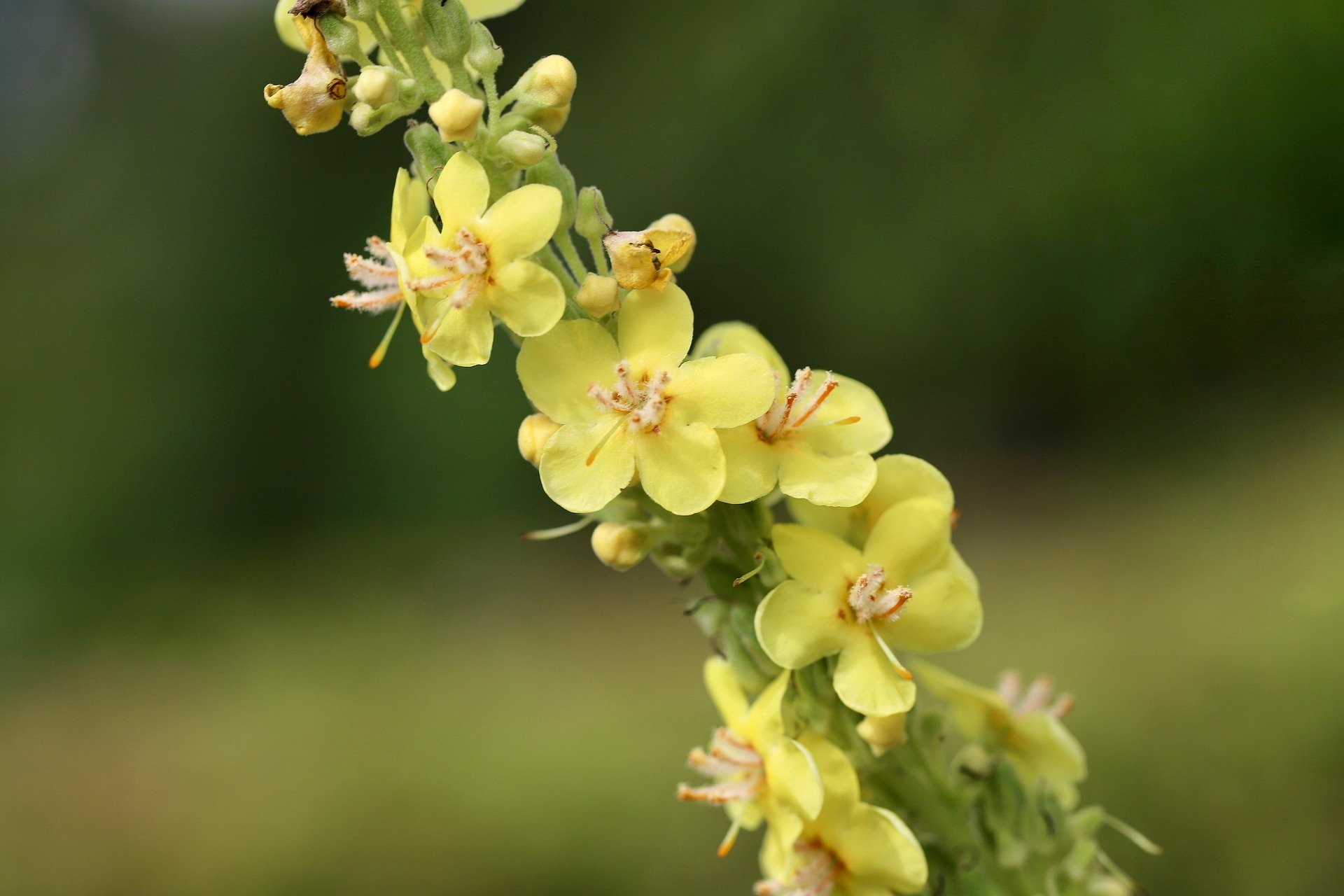
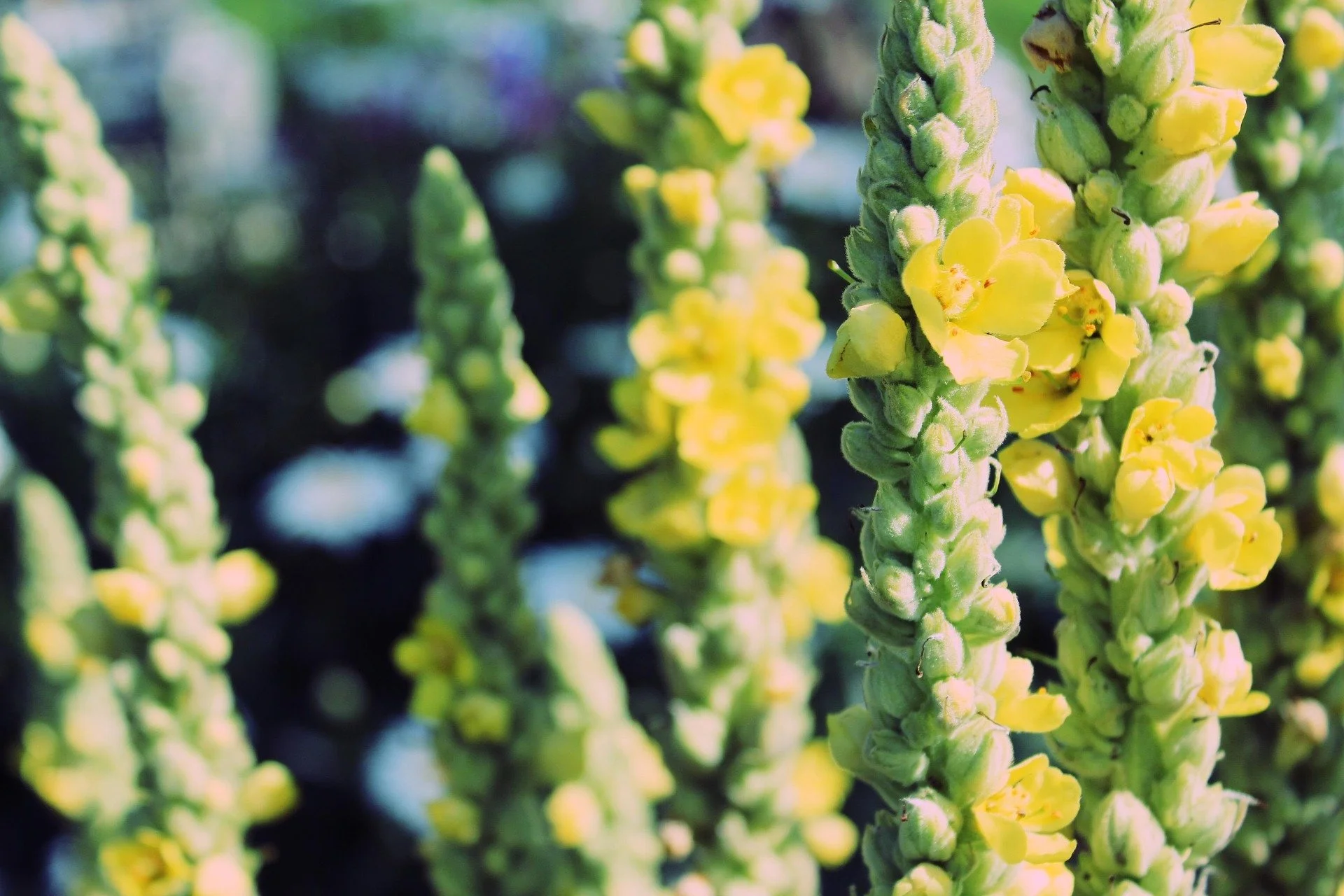
A sturdy flower stalk stretches upward, often reaching six feet or more, with cheerful yellow blossoms opening only a handful at a time throughout the summer. Rather than blooming all at once, mullein seems content to unfold one day at a time, quietly reminding us that nature is rarely in a rush.
The more time you spend with medicinal plants, the more you'll notice that each one has its own personality. Mullein's is gentle, patient, and quietly dependable. If you've been working on becoming a more observant herbalist, The Quiet Habit That Will Make You a Better Herbalist offers a few simple ways to begin seeing these plants as familiar companions rather than strangers.
A Plant with a Long History
Long before pharmacies lined our streets, families often looked first to the plants growing nearby for everyday support.
Mullein became one of those trusted companions.
Across Europe, Asia, and eventually North America, generations of herbalists gathered its leaves, flowers, and roots, discovering that each part of the plant offered something a little different. It earned a reputation not because it promised dramatic results, but because it consistently provided gentle support when people needed it most.
Its dried leaves found their way into warming cups of tea.
Its cheerful yellow flowers were infused into oils that became treasured additions to home apothecaries.
Even the tall dried flower stalks served a purpose after the growing season, sometimes dipped in beeswax or tallow to create simple torches that lit country paths after sunset.
It is remarkable to think that a single plant could feed pollinators, support the family medicine cabinet, and even provide light for the evening.
The more we learn about herbs like mullein, the easier it becomes to understand why our ancestors rarely viewed them as weeds.
They were neighbors.
Why Herbalists Still Treasure Mullein
Mullein has remained a favorite among herbalists for hundreds of years because it is one of those rare plants that feels both gentle and incredibly versatile.
Most people first discover mullein because of its long standing relationship with the respiratory system.
For generations, herbalists have traditionally reached for mullein leaf when preparing teas intended to soothe dry, irritated throats, calm occasional coughs, and support healthy lung function during seasonal illnesses. Rather than trying to overpower the body, mullein has long been appreciated for working alongside the body's natural healing processes.
Herbalists often describe mullein as both a demulcent and an expectorant.
Those words sound complicated, but the ideas are wonderfully simple.
A demulcent herb contains naturally soothing compounds that become slippery when prepared with water. These compounds have traditionally been used to coat and comfort irritated tissues throughout the mouth, throat, and respiratory tract. It's one reason a warm cup of mullein tea has remained a comforting tradition for generations.
An expectorant, on the other hand, is a plant that has traditionally been used to help loosen and move excess mucus, making it easier for the body to clear the airways naturally. Together, these two traditional actions explain why mullein has become one of the most respected herbs for seasonal respiratory support.
Its reputation doesn't end there.
Traditional herbalists have also valued mullein for its naturally soothing relationship with irritated tissues throughout the body. While the leaves are most commonly prepared as tea, the flowers have developed an equally respected place in herbal traditions.
Fresh flowers have long been infused into oil, creating one of the best known preparations in Western herbalism. That golden oil has been kept in home apothecaries for generations and continues to be one of the first infused oils many beginning herbalists learn to make.
Even the root has its own place in traditional herbal practice. Although used less frequently than the leaves and flowers, experienced herbalists have historically prepared the root differently, recognizing that each part of the plant offers its own unique traditional qualities.
Perhaps that's what makes mullein so remarkable.
It isn't one plant with one purpose.
It's one plant with a long history of serving people in several thoughtful ways.
Whether someone was brewing a comforting tea, preparing an infused oil, or carefully drying leaves for the winter ahead, mullein quietly earned its place as one of the most trusted herbs in the traditional home apothecary.
If you're still building your own collection of medicinal herbs, organic dried mullein leaf is a wonderful way to begin exploring its traditional uses while you become more familiar with the plant itself.
Learning to Recognize Mullein
One of the greatest joys of herbalism is learning to recognize plants as old friends rather than strangers.
Once you've spent a little time with mullein, it becomes surprisingly easy to identify.
Look for the soft, woolly leaves.
Notice how they seem almost silver when the sunlight catches the tiny hairs covering their surface.
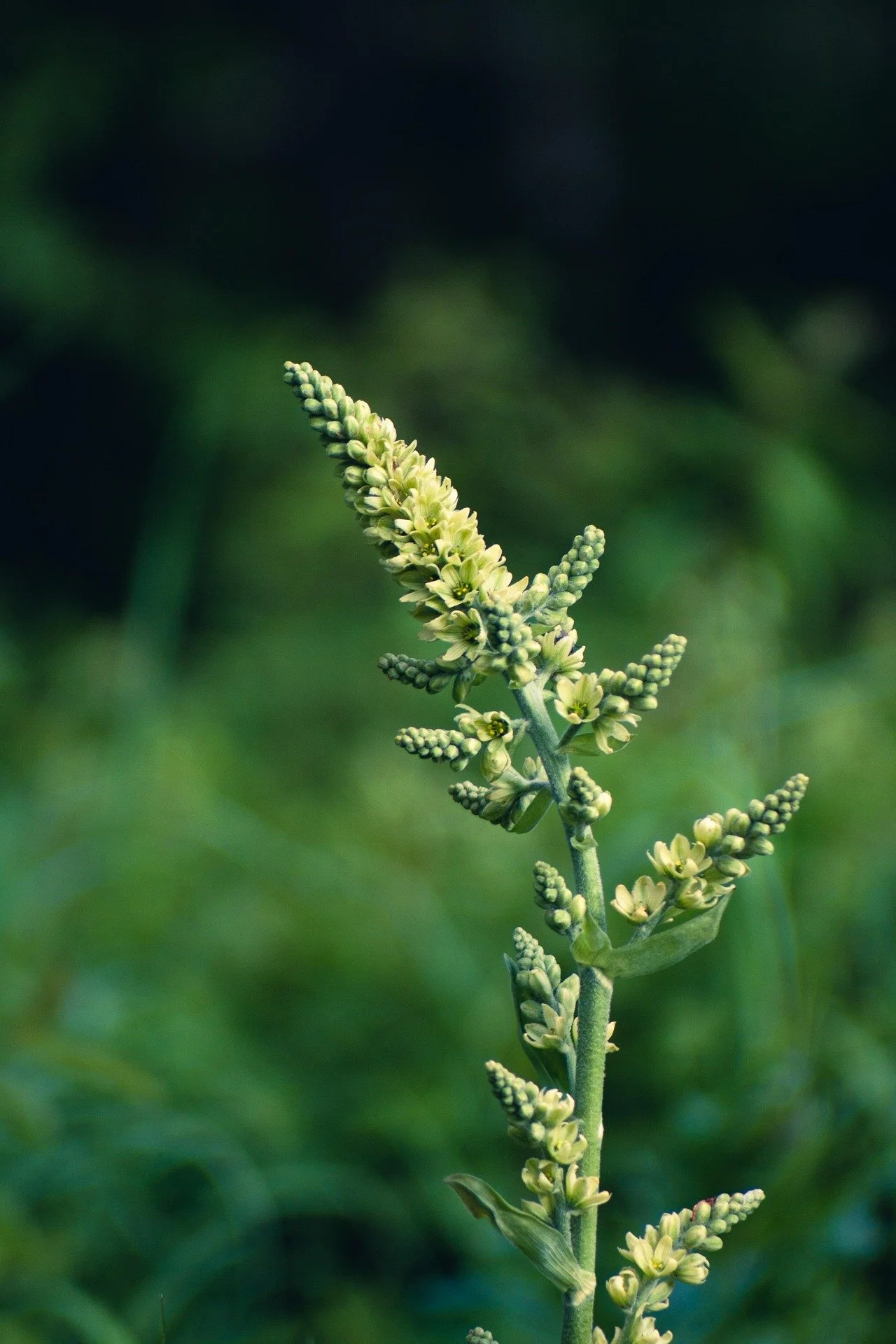
During the plant's second year, watch for the tall flower spike rising well above the surrounding grasses, with small yellow blossoms opening gradually from the bottom upward throughout the summer.
Rather than producing one spectacular display, mullein blooms patiently over many weeks, offering pollinators a steady source of nectar while inviting us to slow down and pay attention.
Like every medicinal herb, proper identification is essential.
If you're ever uncertain, don't harvest it.
Spend another season observing instead.
Learning to confidently identify one herb is far more valuable than rushing to collect ten.
If you're interested in becoming more confident with plant identification, Keeping an Herbal Field Journal is one of the simplest ways to strengthen your observation skills over time.
Which Parts Are Used?
One of the reasons mullein has remained such a treasured herb is that nearly every part of the plant has found a place in traditional herbal practice.
The leaves are the part most herbalists begin with. They're commonly dried and prepared as tea, either on their own or blended with other traditional respiratory herbs. Because the tiny hairs that make the leaves so soft can be irritating if consumed, mullein tea is traditionally prepared in a fine mesh tea strainer or strained through an unbleached filter before drinking.
The flowers are usually gathered as they open throughout the summer. Rather than drying them immediately, many herbalists gently infuse the fresh blossoms into oil, creating a beautiful golden preparation that has been valued for generations. Others dry the flowers for later use in teas and herbal blends.
The root has traditionally been harvested during the plant's first year, before the flower stalk emerges, or in late autumn after the growing season has ended. It has its own long history in traditional Western herbalism and is typically prepared differently than the leaves or flowers.
Each part tells its own story.
Together, they remind us that understanding an herb means understanding the whole plant, not simply one useful piece of it.
A Few Gentle Reminders
Whether you're gathering mullein from the wild or purchasing dried herbs, quality matters.
If you're foraging, choose healthy plants growing well away from roadsides, industrial areas, or places that may have been treated with herbicides or pesticides. Harvest thoughtfully, taking only what you need and leaving plenty behind for wildlife, pollinators, and future generations.
If foraging isn't practical where you live, purchasing high quality organic herbs from reputable suppliers is every bit as worthwhile. Herbalism has always been about building a relationship with plants, not proving where they came from.
A woven harvest basket is a wonderful companion if you do enjoy gathering herbs outdoors, allowing plenty of airflow while protecting delicate leaves and flowers on the walk home.
Looking Ahead
Now that we've spent some time getting to know mullein, it's time to welcome it into the home apothecary.
This Friday we'll explore several traditional ways herbalists have prepared this remarkable plant for generations.
We'll learn how to dry mullein leaves for tea, infuse the cheerful yellow flowers into a nourishing herbal oil, and share a few simple tips for storing your finished preparations so they're ready whenever you need them.
These are gentle projects, perfect for beginners and a beautiful reminder that herbalism often begins with the simplest traditions.
From the Homestead
The older I become, the more I appreciate plants that don't ask to be admired.
Mullein doesn't compete with the brightest flowers in the garden.
It simply grows where it's needed, reaching quietly toward the sun year after year.
Perhaps there's something we can learn from that.
The most dependable things in life are rarely the loudest.
They simply show up, season after season, quietly offering what they were created to give.
Mullein has been doing exactly that for generations.
Maybe that's why so many herbalists still consider it an old friend.
