The Forgotten Tradition of Drying Herbs at Home
Affiliate Disclosure: This article may contain affiliate links. If you purchase through one of these links, I may earn a small commission at no additional cost to you. I only recommend books, tools, and products I personally believe support a thoughtful herbal journey.
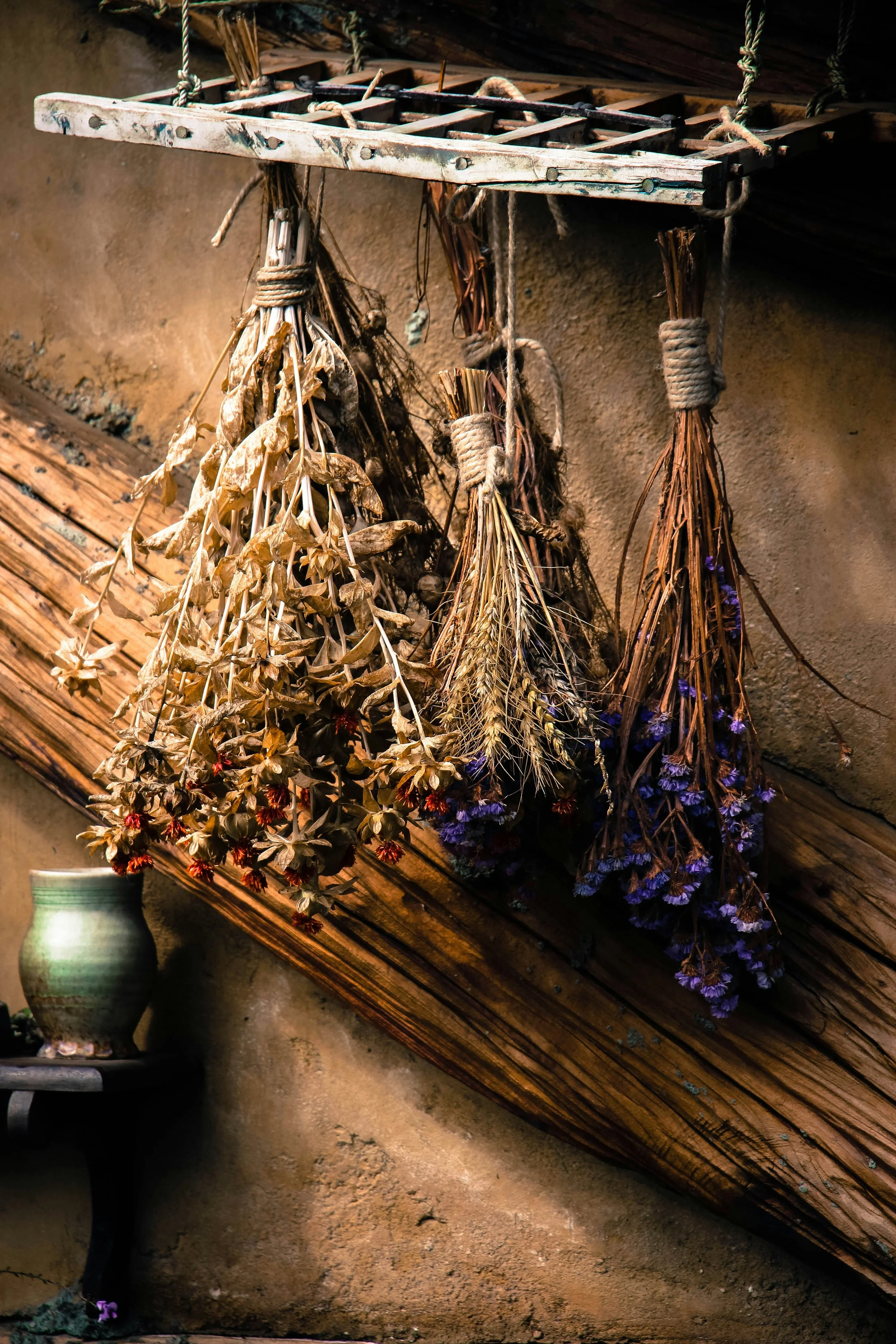
Walk into an old farmhouse kitchen in late summer, and there was a good chance you'd find herbs hanging from the rafters.
Bundles of peppermint.
Sprigs of thyme.
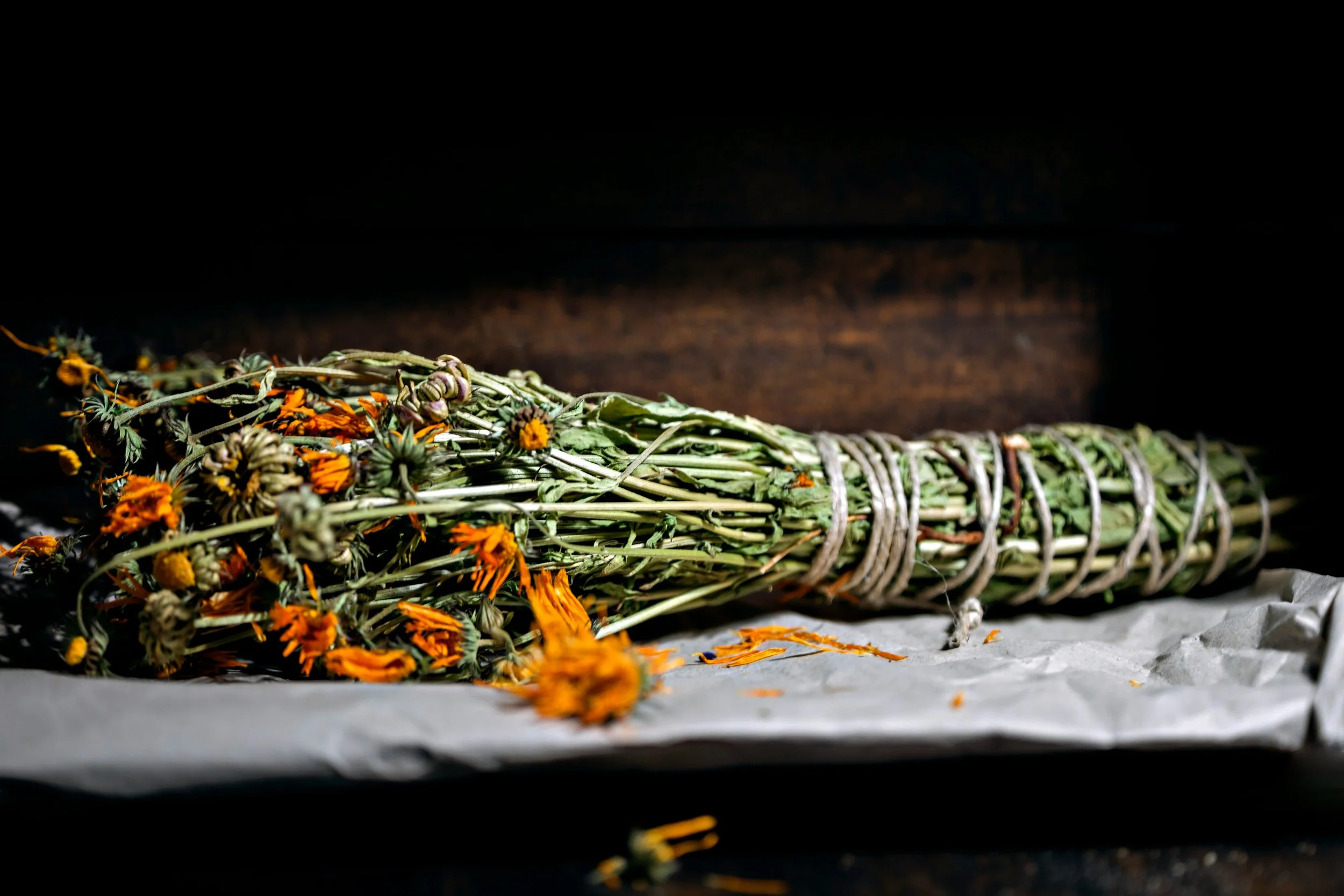
Calendula blossoms spread across a screen near an open window.
Lavender tied neatly with twine.
Long before electric dehydrators and vacuum sealed bags, preserving herbs was simply part of the rhythm of the seasons. Gardeners knew that summer's abundance wouldn't last forever, so they gathered what the garden offered and prepared it for the quieter months ahead.
Drying herbs wasn't complicated.
It wasn't rushed.
It became another opportunity to spend time with the plants they had grown to know so well.
Today, while we have more modern tools available, there is still something deeply satisfying about drying herbs the traditional way. The process encourages us to slow down, pay attention, and preserve a little piece of the growing season to enjoy throughout the year.
Harvesting Begins Long Before the Drying Rack
Many beginning herbalists assume drying starts once the herbs are cut.
In truth, it begins much earlier.
Healthy, vibrant herbs produce the best dried harvest.
A rosemary branch picked after several days of sunshine carries a different aroma than one harvested after heavy rain. Peppermint gathered just before flowering often tastes brighter than stems collected weeks later.
Learning when to harvest is part of developing a relationship with each plant.
Instead of following a rigid calendar, traditional herbalists watched the garden itself.
They noticed.
They returned often.
They learned the quiet signals each plant offered.
Less Is Often More
One of the most common mistakes beginners make is harvesting too much.
There is a natural excitement that comes with growing medicinal herbs.
It's tempting to gather every stem before the season changes.
Experienced gardeners often do the opposite.
They harvest thoughtfully.
They leave plenty for pollinators.
They allow plants to continue growing.
They understand that the garden is something to care for, not simply collect from.
A good pair of herb harvesting scissors makes it easy to gather only what you need while protecting delicate stems from unnecessary damage.
Air Has Always Been the Herbalist's Friend
Before modern equipment existed, fresh air did nearly all the work.
Bundles were tied loosely.
Leaves were spread across woven screens.
Windows were opened whenever the weather allowed.
Good airflow mattered more than heat.
Drying herbs too quickly can rob them of much of their fragrance. Drying them too slowly can invite moisture where it isn't welcome.
The goal isn't speed.
The goal is preservation.
A simple stackable herb drying rack allows plenty of airflow while taking up very little space, making it an excellent option for today's homes.
Every Herb Teaches a Different Lesson
The longer you work with medicinal plants, the more you realize they each ask for something slightly different.
Lavender dries easily.
Lemon balm prefers a little more attention.
Calendula flowers reward patience.
Mint seems eager to fill every basket.
Rather than searching for one perfect method, herbalists learn to observe.
How does the leaf feel?
Has the stem become brittle?
Does the fragrance still linger?
The herbs themselves usually tell you when they're ready.
Storing Herbs Is Part of Preserving Them
Drying herbs is only half the story.
How they're stored matters just as much.
Light slowly fades color.
Moisture shortens shelf life.
Poorly sealed containers allow precious aromas to disappear long before winter arrives.
Glass jars have remained a favorite for generations because they protect herbs while allowing you to enjoy their beauty each time you open the cupboard.
Amber jars provide additional protection for herbs stored in brighter spaces, while clear jars work beautifully inside closed cabinets.
Adding simple chalkboard labels or handwritten tags makes it easy to remember when each herb was harvested.
Over time, those dates become part of your own herbal story.
A Small Collection Is Enough
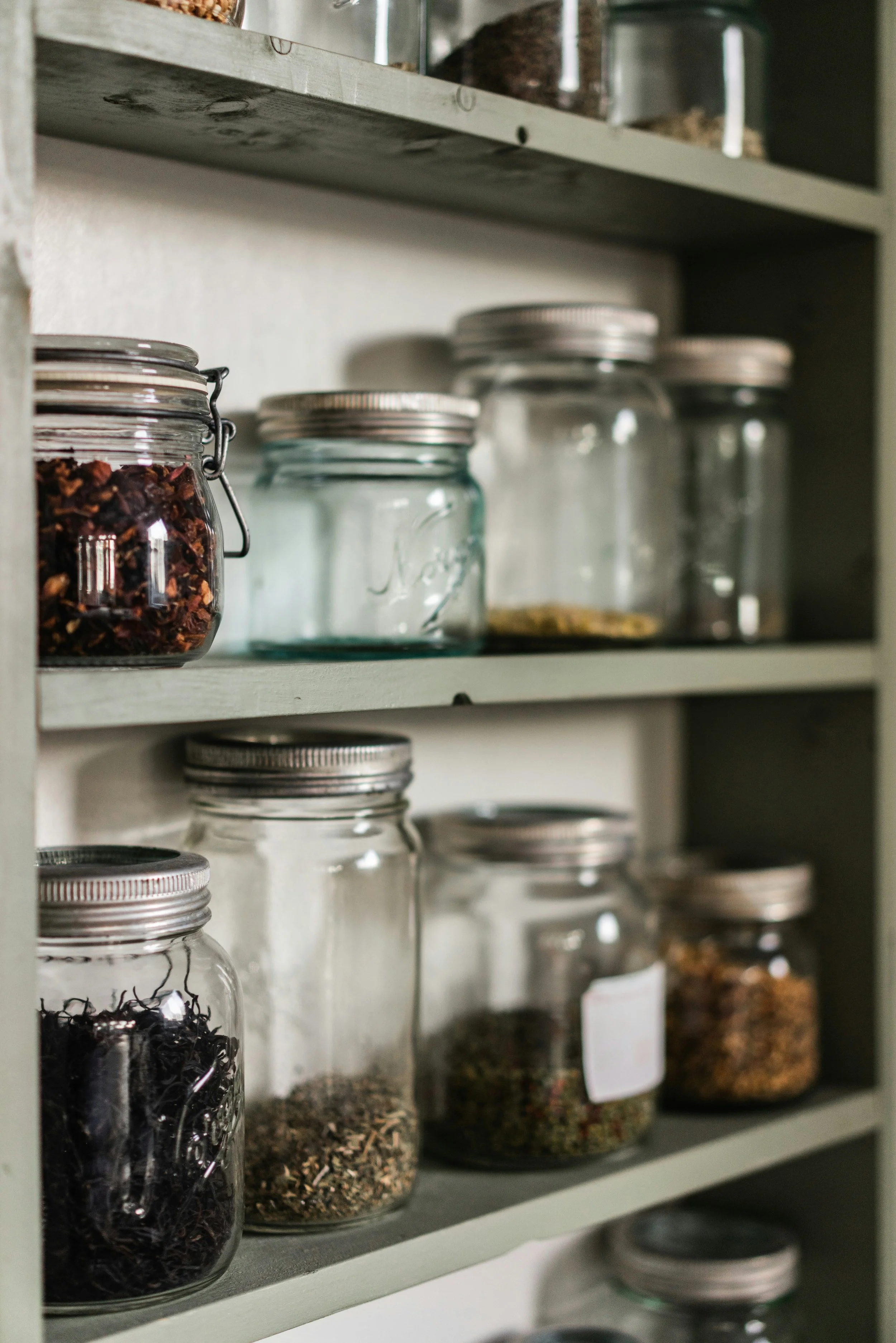
Many beginners imagine shelves lined with dozens of herbs.
There is certainly beauty in that image.
But there is equal beauty in a cupboard holding only a handful of jars you know well.
Peppermint.
Chamomile.
Calendula.
Lemon balm.
Rosemary.
If you've spent an entire season growing, harvesting, drying, and learning from just these few plants, you've built a foundation that will serve you far better than collecting fifty herbs you've never truly met.
Quality of attention matters more than quantity of jars.
Modern Tools Can Support Traditional Practices
Traditional doesn't have to mean refusing every modern convenience.
A small food dehydrator can be helpful during particularly humid weather.
A digital kitchen hygrometer can help you better understand the conditions in your drying space.
The important thing isn't how sophisticated your equipment becomes.
It's remembering that the tools exist to support the plants, not replace your relationship with them.
Building an Apothecary One Season at a Time
One of the quiet joys of drying herbs is watching your apothecary grow naturally.
One jar becomes three.
Three become six.
Eventually you open the cabinet and realize nearly every herb inside carries a memory.
The calendula from last summer's garden.
The peppermint shared by a neighbor.
The lavender that survived an unusually cold winter.
Your apothecary becomes more than a collection of ingredients.
It becomes a collection of seasons.
From the Homestead
Some of the most meaningful moments in herbalism happen after the harvest.
When the garden grows quiet and bundles of herbs begin drying nearby, we're reminded that every season has something worth preserving.
Perhaps that's why drying herbs has remained a cherished tradition for generations.
It isn't simply about storing plants for winter.
It's about carrying a little of summer's abundance into the months ahead, one carefully gathered bundle at a time.
