Lavender: More Than a Pretty Smell — A Complete Herb Profile
This post contains affiliate links. As an affiliate for Amazon Associate and Wish Garden Herbs, I earn from qualifying purchases at no additional cost to you.
If you had told me a few years ago that lavender was one of the most clinically researched herbs for anxiety, I would have assumed that was marketing language from a candle company. Lavender had always felt, to me, like a pleasant but superficial thing, the smell of spa days and linen sprays, not serious medicine. I was wrong about that in ways that genuinely surprised me. The body of clinical research on lavender is more substantial than almost any other aromatic herb, including several randomized controlled trials comparing standardized lavender preparations directly against pharmaceutical anxiolytics.
What Is Lavender?
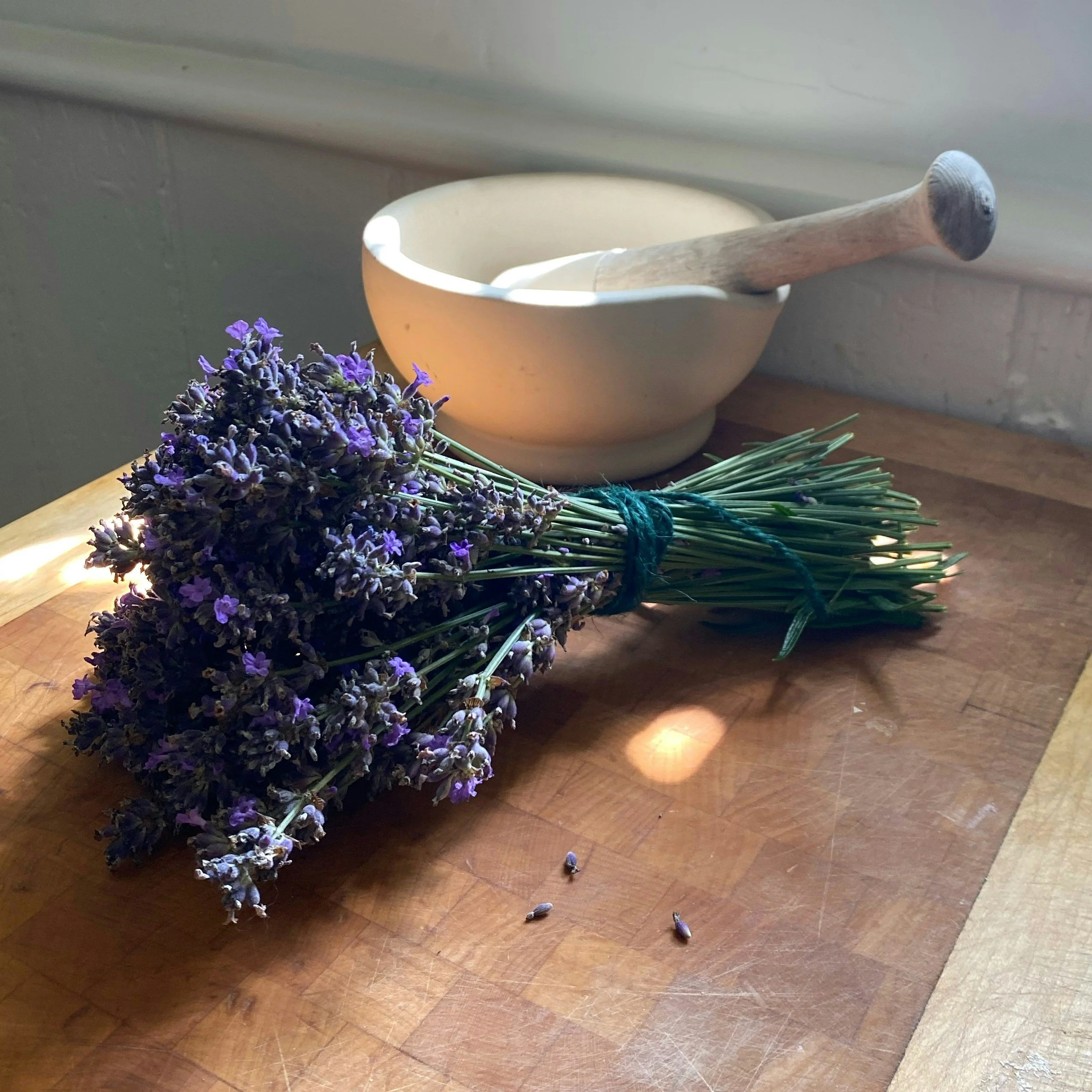
Lavender (Lavandula angustifolia, also called true lavender or English lavender) is a flowering shrub native to the Mediterranean region. It has been cultivated and used medicinally for at least 2,500 years.
The plant's medicinal properties come primarily from its essential oil, which contains linalool and linalyl acetate as its primary active compounds. These compounds interact with GABA receptors in the brain, producing calming and anxiolytic effects.
The Benefits of Lavender
Anxiety and Stress Reduction
Inhaling lavender essential oil has been shown in numerous clinical studies to reduce cortisol levels, lower heart rate, and decrease self-reported anxiety. One landmark study found that a standardized oral lavender oil preparation called Silexan performed comparably to 0.5 mg lorazepam for generalized anxiety disorder, without the dependency or cognitive side effects.
Sleep Quality
Multiple clinical studies have confirmed that lavender aromatherapy before sleep improves sleep quality, reduces nighttime waking, and increases the proportion of deep sleep.
Pain Relief
Lavender has demonstrated analgesic properties in several studies, including research on menstrual pain, postoperative pain, and headache. A 2016 study found that lavender essential oil massage significantly reduced menstrual pain intensity compared to massage with a non-active carrier oil.
Skin Healing
Lavender essential oil has documented antimicrobial and anti-inflammatory properties useful for minor burns, insect bites, minor wounds, and fungal skin infections.
Headache Relief
A 2012 study published in the European Neurology Journal found that inhaling lavender essential oil during a migraine attack significantly reduced headache severity compared to a placebo inhalation.
Antimicrobial Properties
Laboratory studies have consistently demonstrated lavender's antimicrobial activity against a range of bacteria and fungi, including some strains resistant to conventional antibiotics.
How to Use Lavender
Aromatherapy: Add 3 to 6 drops of pure lavender essential oil to a diffuser with water. Run for 30 to 60 minutes before sleep or during acute stress.
Topical Application: Always dilute before applying to skin: 1 to 2 drops per teaspoon of carrier oil such as jojoba or fractionated coconut oil. Apply to temples for headache, to the chest for anxiety, or to sore muscles for pain relief.
As a tea: Use 1 teaspoon of culinary-grade dried lavender flowers per cup of near-boiling water, steep covered for 5 to 8 minutes. Combine with chamomile and lemon balm for a pleasant evening blend.
Linen Spray: Mix distilled water and a few drops of lavender essential oil in a small spray bottle. Apply to your pillow before sleep for gentle overnight aromatherapy.
Sourcing and Quality
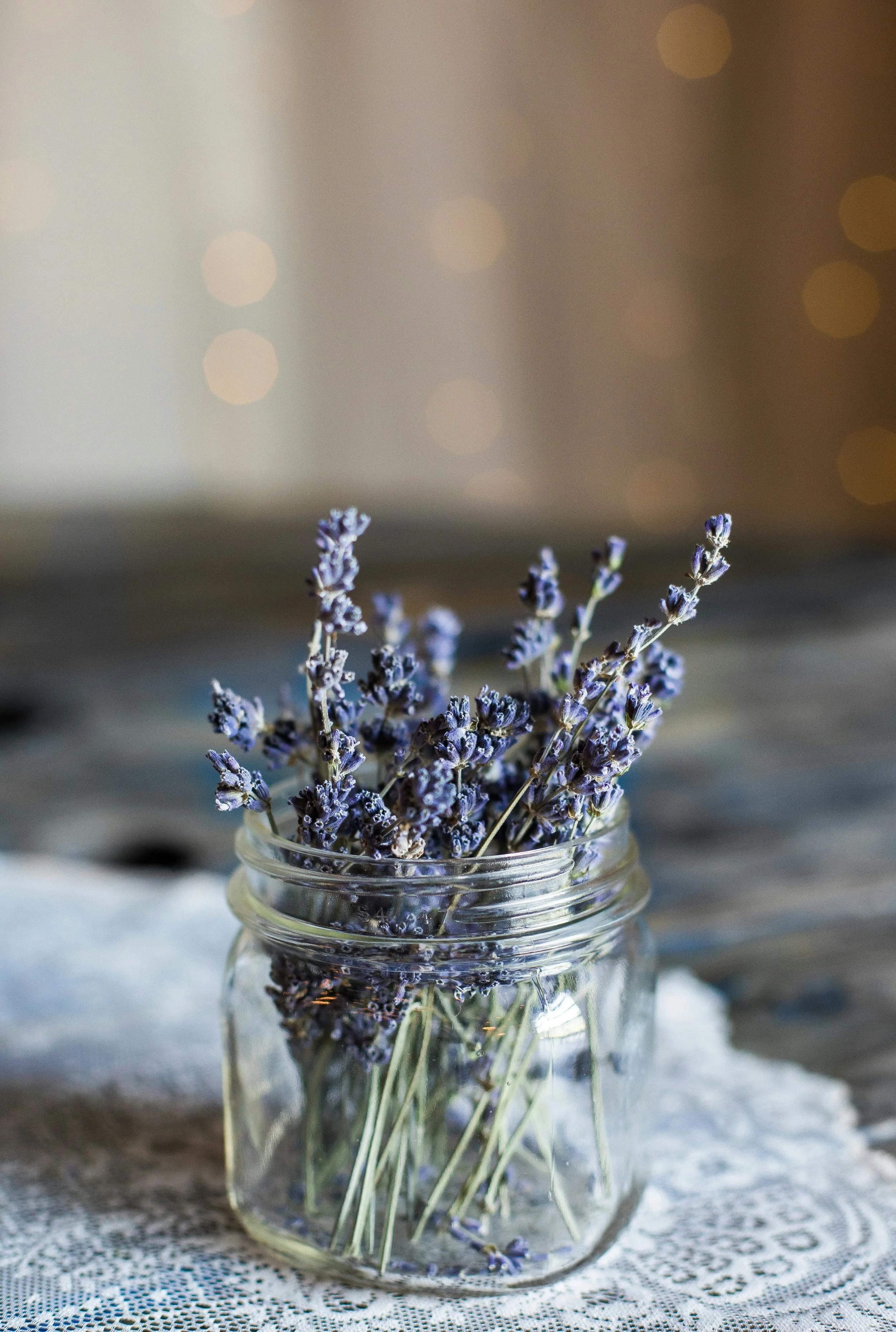
The lavender essential oil market is unfortunately saturated with synthetic fragrances sold as essential oil. When purchasing, look for products labeled as Lavandula angustifolia specifically, with GC/MS testing certificates confirming the oil's chemical composition, and organic certification where possible.
Wish Garden Herbs carries high-quality dried lavender for herbal preparations.
Contraindications and Cautions
Skin Sensitization: Repeated undiluted application can cause sensitization over time. Always dilute and discontinue use if you notice any reaction.
Hormonal Concerns: Some concern in the literature about endocrine disruption based on case reports of prepubertal gynecomastia associated with lavender and tea tree oil products. Occasional aromatic use is unlikely to be problematic, but worth discussing with a provider if you have concerns.
Sedative Medications: Lavender may enhance the effects of sedative medications, benzodiazepines, and alcohol.
Pregnancy: Lavender aromatherapy in typical amounts is generally considered safe during pregnancy, but therapeutic oral doses or high-dose topical use are not recommended without practitioner guidance.
The information in this post is educational and does not constitute medical advice. Please consult your healthcare provider before making changes to your wellness routine.
