Chamomile: The Humble Flower That Changed the Way I Think About Healing
This post contains affiliate links. As an affiliate for Amazon Associate and Wish Garden Herbs, I earn from qualifying purchases at no additional cost to you.
If you have landed here, there is a good chance something brought you to plants. Maybe curiosity. Maybe frustration with conventional answers that did not quite fit. Maybe, like me, you found yourself in a season of life that felt overwhelming, and you started looking for something gentler, more grounded, and more honest.
This blog is for you.
The Herbal Homestead is an honest, research-informed space where I share what I have learned about medicinal herbs, plant-based remedies, and natural wellness, from a place of genuine lived experience rather than theory alone. I am not here to tell you herbs will fix everything. I am here to tell you what they can actually do, what the research says, what to be careful of, and how to use them in ways that are practical, affordable, and safe.
What you will find here: Herb profiles that go beyond the basics, covering benefits, traditional uses, scientific evidence, how to prepare and use each herb, and the contraindications most people never mention. Tea blend recipes built around purpose, not just flavor. Remedies for everyday ailments including sleep disruption, digestion, immunity, anxiety, and more. Seasonal content tied to what is growing and available throughout the year. And eventually, tutorials for making your own clean skincare and personal care products from scratch.
I am a Certified Menopause Mentor and a student of herbalism who came to plants through my own health journey. That background shapes everything I write here. I believe in evidence. I believe in traditional wisdom. And I believe those two things are far less at odds than most people think.
Every post on this blog is fact-checked and written with care. Every recommendation is something I would make to someone I love. And every contraindication is included, because you deserve the full picture.
New posts every Tuesday and Friday.
Now. Let’s talk about chamomile.
I did not come to herbalism through a romantic vision of gathering wildflowers at dawn. I came to it out of desperation, the kind that sets in when your body is doing things that nobody seems able to explain, and the answers you keep getting feel hollow. It was during that search that I first really stopped to look at the herbs that had been sitting quietly in my kitchen for years, doing far more than I had given them credit for.
Chamomile was one of the first that stopped me in my tracks.
I had been making chamomile tea since I was a teenager, mostly because it tasted pleasant and the packaging said something vague about relaxation. But when I started studying herbalism seriously, I realized I had been sitting on something genuinely powerful without ever understanding why it worked. This post is my attempt to give chamomile the introduction it deserves, one that is honest, evidence-informed, and practically useful whether you are brand new to herbs or already building your home apothecary.
What Is Chamomile?
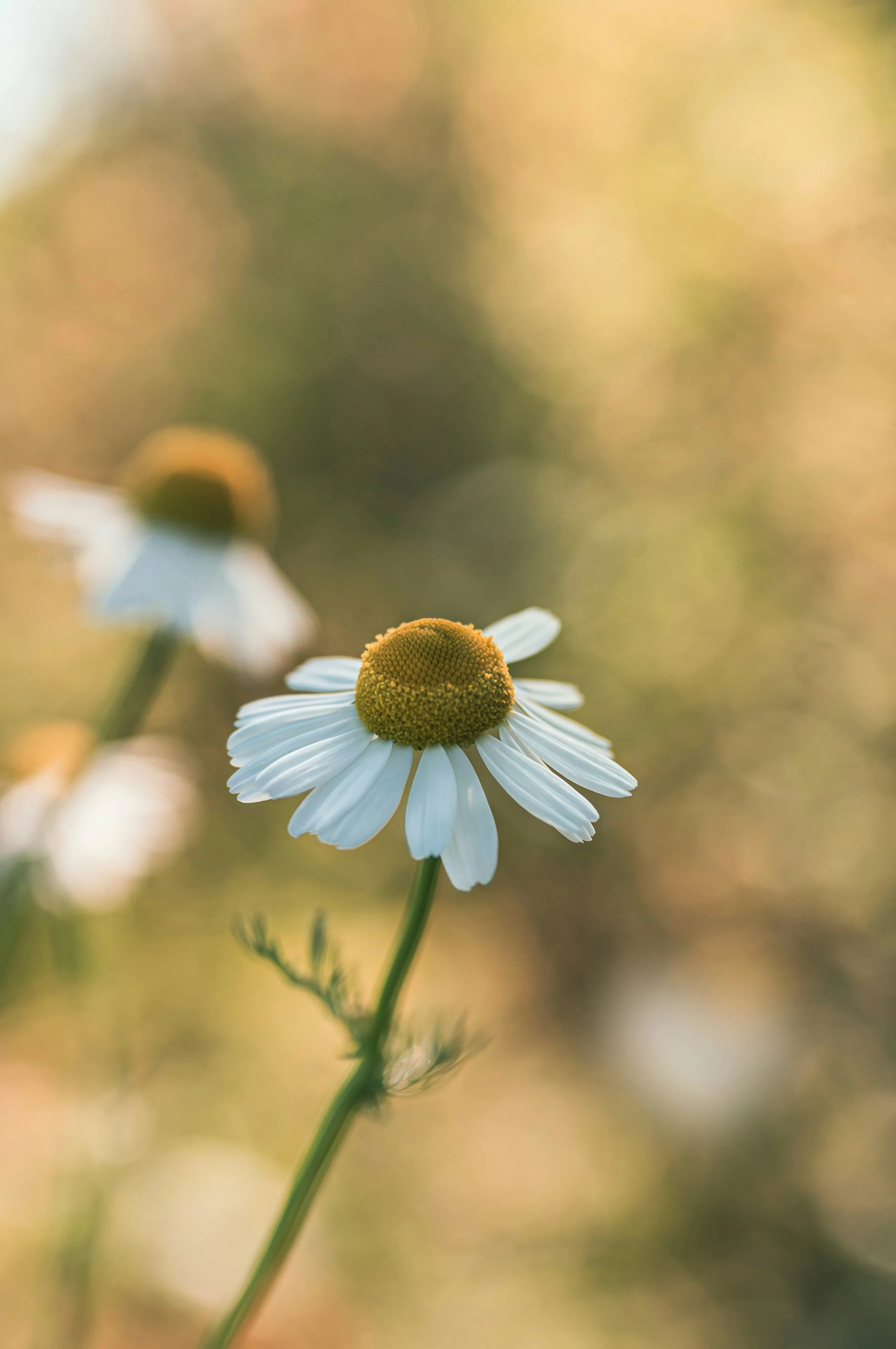
Chamomile refers to two closely related plants in the Asteraceae family: German chamomile (Matricaria chamomilla) and Roman chamomile (Chamaemelum nobile). Both have been used medicinally for thousands of years across ancient Egypt, Greece, Rome, and China. Today, German chamomile is the most widely used in herbal medicine and the one you are most likely to find in teas and supplements.
The flower is small, daisy-like, and pleasantly apple-scented. Its medicinal properties come primarily from a collection of active compounds including apigenin, bisabolol, chamazulene, and various flavonoids.
The Benefits of Chamomile
Calming Anxiety and Supporting Sleep
Apigenin, one of chamomile's key flavonoids, binds to benzodiazepine receptors in the brain, producing gentlecalming effects. Multiple clinical studies have found that chamomile supplementation produces meaningful reductions in generalized anxiety disorder symptoms, and preliminary research supports its use for improving sleep quality.
Soothing Digestive Comfort
Chamomile acts as an antispasmodic, relaxing the smooth muscles of the gastrointestinal tract, which makes it helpful for cramping, bloating, gas, and general digestive upset. It has also shown promise for reducing stomach acid and supporting remission in inflammatory bowel conditions.
Reducing Inflammation
Chamomile's compound chamazulene demonstrates significant anti-inflammatory activity. Chamomile has beenfound to selectively inhibit COX-2, an enzyme involved in the inflammatory pathway, a mechanism similar to certain anti-inflammatory medications but gentler at typical herbal doses.
Topical Healing
Applied to the skin, chamomile has antimicrobial, anti-inflammatory, and wound-healing properties. It has been used topically for centuries to treat minor skin irritations, eczema, rashes, and slow-healing wounds.
Menstrual Support
Chamomile's antispasmodic properties extend to the uterus, making it traditionally used for menstrual cramping. It helps relax uterine muscles and reduce the intensity of cramps.
Gentle Immune Support
Chamomile has demonstrated antimicrobial activity against several common bacteria and has been used as a gargle for sore throats for centuries.
How to Use Chamomile
As a tea: Use 1 tablespoon of dried chamomile flowers per cup of just-boiled water. Cover and steep for 5 to 10 minutes, then strain. Covering while steeping is important as it traps the volatile oils responsible for much of chamomile's therapeutic effect. For anxiety or sleep support, drink 1 to 3 cups in the evening. For digestive support, drink a cup 20 to 30 minutes after meals.
As a tincture: A chamomile tincture allows for a more concentrated dose and longer shelf life. Standard dosing is typically 2 to 4 ml three times daily.
As a topical compress: Brew a strong infusion using double the flower quantity, steep for 15 minutes, soak a clean cloth in the cooled tea, and apply to irritated skin or tired eyes for 10 to 15 minutes.
As an essential oil: German chamomile essential oil should always be diluted in a carrier oil before applying to skin, typically 1 to 2 drops per teaspoon of carrier oil for adults.
Sourcing Matters
Wish Garden Herbs is one of my trusted sources for well-sourced, clean herbal products. For loose dried flowers for tea, I keep a supply from Amazon. I recommend searching for organic chamomile flowers in bulk rather than individual tea bags, which often contain lower-grade chamomile and come in bleached tea bags.
Contraindications and Cautions
RAGWEED AND ASTERACEAE ALLERGY: This is the most significant contraindication. Chamomile belongs to the Asteraceae plant family, which also includes ragweed, chrysanthemums, marigolds, and daisies. People with allergies to any of these plants may experience allergic reactions ranging from mild skin irritation to, in rare cases, anaphylaxis. If you have a known ragweed allergy, proceed with caution and start with a very small amount.
BLOOD-THINNING MEDICATIONS: Chamomile has mild anti-platelet activity. If you are taking anticoagulant medications such as warfarin, aspirin therapy, or any other blood-thinning medication, consult your healthcare provider before using chamomile regularly.
SEDATIVE MEDICATIONS: Chamomile has mild sedative properties. Combining it with prescription sedatives, sleep medications, or alcohol may enhance their effects.
HORMONE-SENSITIVE CONDITIONS: There is some evidence that chamomile may interact with estrogen pathways. If you are taking hormone replacement therapy, tamoxifen, or estrogen-containing contraceptives, discuss chamomile use with your healthcare provider.
PREGNANCY: Evidence on chamomile during pregnancy is insufficient to consider it definitively safe in medicinal amounts. Therapeutic doses should be avoided during pregnancy without provider guidance.
INFANTS UNDER 6 MONTHS: Not recommended.
My Chamomile Ritual
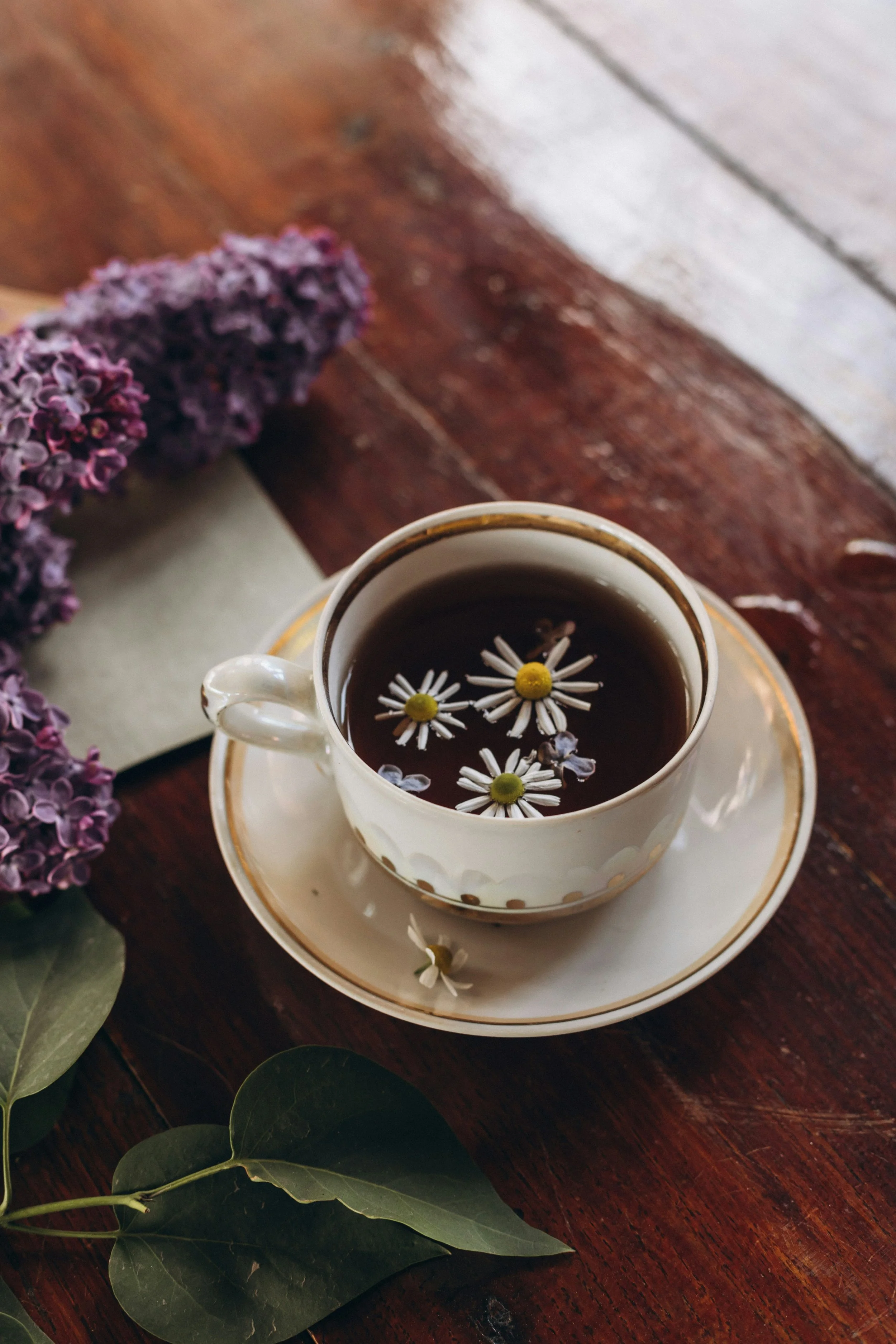
Most evenings I make what I think of as my settling tea, chamomile flowers, a small piece of fresh ginger, and a sprig of lavender if I have it, steeped covered for eight minutes and enjoyed slowly. No phone. No screen if I can manage it. Just the warmth of the mug and the smell of the steam.
This is where herbalism lives for me, not in grand claims or complicated protocols, but in these small, consistent acts of paying attention to what the body needs and responding with something from the earth.
The information in this post is educational and does not constitute medical advice. Please consult your healthcare provider before making changes to your wellness routine, particularly if you have existing health conditions or take medications.
